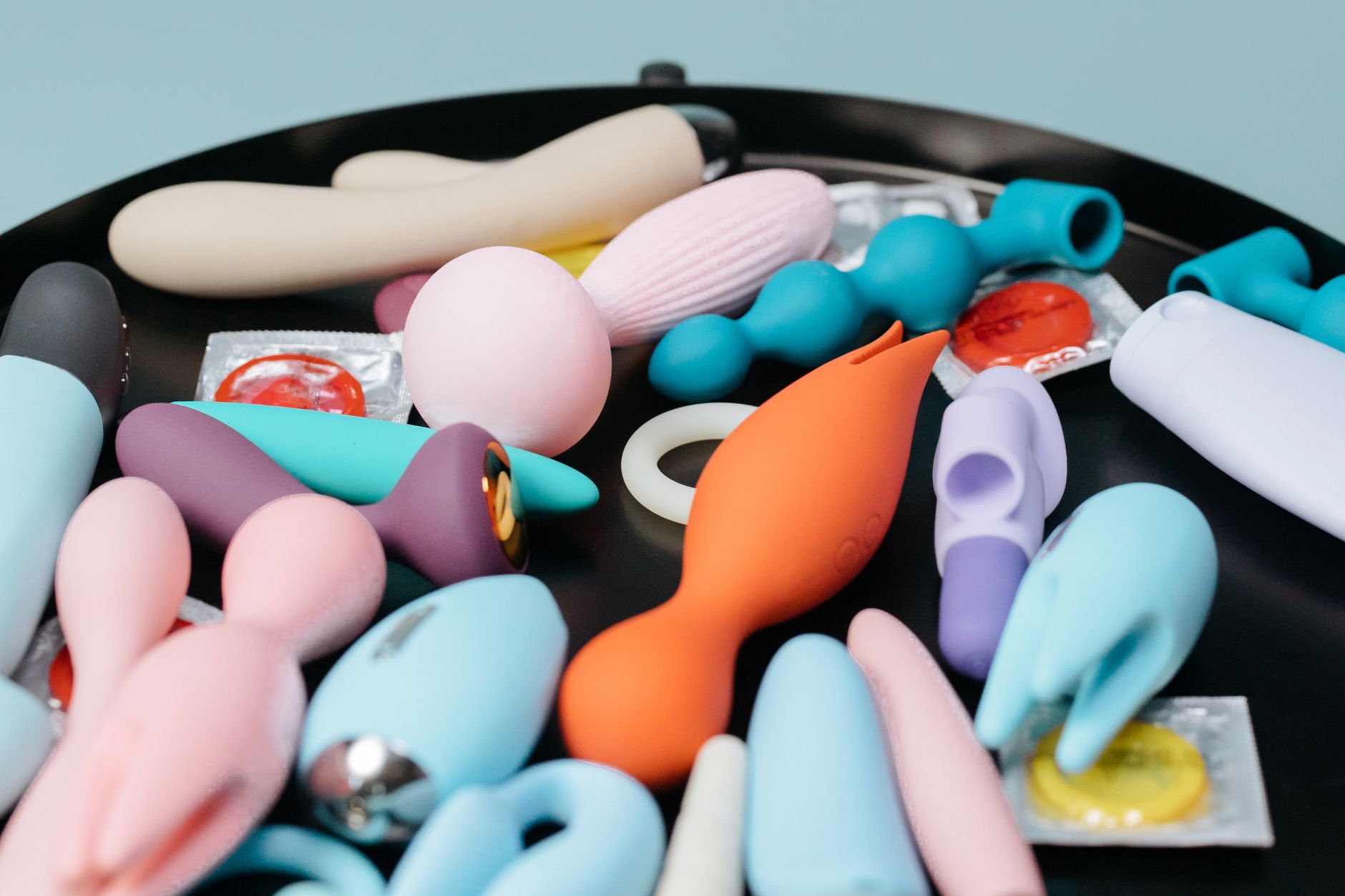
Let's be real about vibrator discomfort
If you've tried traditional vibrators and felt like they were too harsh, too numb-making, or just fundamentally wrong for your body, you're not alone. Plenty of people pick up a standard buzzing vibrator, use it for five minutes, and think: this is not it. The problem isn't you. The problem is the technology.
Lemon vibrators work on a completely different principle than traditional vibrators, and that difference matters a lot when you have sensitive clitoral tissue.
The physics: suction versus vibration
Traditional vibrators buzz. They oscillate back and forth at a fixed frequency, usually between 40 and 10,000 cycles per second depending on the power level. That buzzing creates a broadly stimulating sensation, but it's stimulation through friction and micro-movement. If your tissue is sensitive, easily irritated, or just prefers a different kind of input, all that friction can feel overwhelming or even painful.
Lemon clitoral vibrators use a different mechanism. Instead of buzzing, they create a gentle suction or pulse pattern that draws blood flow to the area without the same mechanical pressure. Think of it less like a vibrating toothbrush and more like the sensation of a partner's mouth or a carefully designed air-pulse system. The stimulation is deeper and more concentrated, but it doesn't rely on raw surface friction.
This distinction matters because sensitive tissue responds better to suction-based stimulation. There's less likelihood of numbness, less chance of irritation, and often a faster route to arousal because the sensation feels more natural to how bodies actually respond.
Why sensitive tissue reacts badly to traditional vibrators
Sensitive clitoral tissue has a few characteristics that make traditional vibrators problematic.
First, the tissue is packed with nerve endings. A lot of them. Traditional vibrators can overstimulate these nerves, which paradoxically leads to less sensation, not more. It's like shouting at someone instead of speaking clearly. Your nervous system basically shuts down to protect itself.
Second, continuous buzzing can numb the area over time. This is especially true with lower-quality vibrators that use cheaper motors and less sophisticated pulsing patterns. The same frequency, over and over, tells your body to stop paying attention to that input.
Third, the pressure point of a traditional vibrator is often too small or too concentrated. It doesn't distribute stimulation evenly across the tissue, which creates discomfort instead of pleasure. Lemon sexual toys, by design, work with a wider surface area and a gentler, broader approach to stimulation.
If you've felt numb, irritated, or uncomfortable with traditional vibrators, a lemon vibrator feels radically different because it's not trying to do the same job in the same way.
The comfort difference in practice
Here's what the transition typically feels like.
When you first use a lemon clitoral vibrator, the sensation is softer than you might expect if you're used to buzzing toys. It's not less intense. It's a different kind of intensity. Instead of feeling like something vibrating against you, it feels more like a gentle rhythmic pull or pulsing wave. For some people, that takes adjustment because it feels unfamiliar. But after a few sessions, most people realize that this unfamiliar sensation is actually more pleasurable and sustainable than traditional vibrators.
You also don't experience the same fatigue or numbing. Because lemon sexual toys aren't relying on continuous friction, you can use them for longer periods without losing sensation. Many people report that arousal builds more gradually and more reliably, which often leads to stronger, more sustained orgasms instead of quick, surface-level ones.
The comfort benefit is real and measurable. If traditional vibrators have made you sore, raw, or just uncomfortable, lemon adult toys usually feel gentle by comparison. They're still powerful. They're just powerful in a way that doesn't override your body's natural responses.
The tissue adaptation timeline
When you switch from traditional vibrators to a lemon clitoral vibrator, your tissue actually needs a brief adjustment period.
If you've been numbing your clitoris with a high-frequency traditional vibrator for years, the nerve endings need time to "wake up" again. This isn't permanent damage. It's just desensitization from overuse of a specific stimulus pattern. When you switch to a gentler, suction-based approach, that sensitivity typically returns within a few sessions to a couple of weeks.
Start with lower intensity settings. This sounds obvious, but it's crucial. Your tissue has been trained by traditional vibrators to expect a certain kind of input. A lemon vibrator's gentler approach might feel too subtle at first, but that's actually the correct sensation. Resist the urge to jump to higher settings immediately.
Give yourself at least three to four sessions before deciding whether it's working for you. The first session is often confusing because the sensation is so different. By session three, your body starts to understand what's happening and begins responding more readily.
How lemon vibrators fit into different sensitivity profiles
Not all sensitive tissue is the same, and lemon sexual toys work differently depending on what's actually causing the sensitivity.
If your sensitivity comes from nerve irritation or numbness, a lemon clitoral vibrator is usually ideal. The suction-based approach won't further irritate already inflamed tissue, and the different stimulus pattern helps reawaken sensation.
If your sensitivity is due to hormonal changes (like post-menopause thinning), lemon vibrators are also excellent because they don't require the same direct pressure that can feel uncomfortable on thinner tissue. The broader surface contact distributes force more evenly.
If you have vaginismus or pelvic floor tension, a lemon vibrator used externally can still work well because the sensation is less triggering to muscles that are already in a protective state. That said, this is worth discussing with a pelvic floor physical therapist.
If your sensitivity is just that you prefer lighter touch, lemon adult toys let you start at incredibly low intensities. Traditional vibrators at their lowest setting are often still too intense. A lemon clitoral vibrator's gentlest pattern can feel almost imperceptible, which is perfect for learning your true baseline preference.
Comparing specific features: what actually makes a difference
When you're choosing between a traditional vibrator and a lemon vibrator for sensitive tissue, a few concrete features matter more than marketing language.
Motor design. A traditional vibrator with a single motor at one end creates an uneven pressure zone. Lemon vibrators distribute stimulation differently by design. That's a structural advantage for sensitive tissue, not a marketing gimmick.
Intensity range. The best clitoral vibrators for sensitive tissue have a wide range of intensity levels, including a genuinely low starting point. If the lowest setting still feels too intense, you don't have the right tool. Look for a vibrator that lets you dial in subtle sensations.
Pulsing versus continuous. Most quality lemon clitoral vibrators offer both pulsing patterns and steady stimulation. Pulsing is often better for sensitive tissue because it gives the nerves a chance to reset between waves of stimulation.
Material and shape. Soft, flexible silicone with a well-designed head will feel better on sensitive tissue than rigid plastic or overly pointed designs. A wider head distributes pressure better than a narrow one.
If you're comparing a traditional vibrator to a lemon vibrator and trying to figure out which is right for your sensitive tissue, these concrete features are what actually predict comfort. Brand reputation matters less than how the device is engineered.
The long-term pleasure shift
One thing I've noticed working with clients who make this switch is that they often discover pleasure patterns they didn't know were possible for them.
When you're not fighting against a vibrator that feels too intense or irritating, you have mental space to actually pay attention to what feels good. You can explore variations in speed and pattern without simultaneously managing discomfort. You can have longer sessions without fatigue. Over time, this often unlocks stronger arousal, more reliable orgasms, and a totally different relationship with your own pleasure.
It's not magic. It's just what happens when you remove a source of friction (literally and figuratively) and replace it with a tool that works with your body instead of against it.
Frequently asked questions
Can I use a lemon vibrator if I'm not sure my tissue is sensitive?
Absolutely. Even if you've never had problems with traditional vibrators, a lemon clitoral vibrator often feels better simply because it's a more sophisticated technology. Many people switch for the quality of sensation, not because they have to. If you're curious, they're worth trying regardless of your history.
How long does it take to see a difference after switching from a traditional vibrator?
Most people notice a difference within the first session, though adjustment to the new sensation usually takes two to three sessions. If you've been dealing with numbness, regaining full sensation can take a few weeks. But discomfort improvement is usually immediate.
Will a lemon vibrator feel weird if I'm used to traditional vibrators?
Yes, probably at first. The sensation is genuinely different. But "different" isn't the same as bad. Give it three sessions before deciding. By then, your body usually understands what's happening and you can make a real comparison.
Can I use a lemon vibrator during partner sex?
Yes. Many lemon sexual toys are designed for partnered use, and the gentler sensation often makes partnered play easier, not harder. Partners often prefer them because they're less intimidating than traditional vibrators and create space for other kinds of touch.
Are lemon vibrators more expensive than traditional vibrators?
They tend to be, but that's because the technology is more sophisticated. A quality lemon clitoral vibrator is usually a better long-term investment than a cheap traditional vibrator that will numb you out or break in a year. Treated well, a good lemon vibrator lasts years.
What if I've had pain or numbness with other vibrators? Will a lemon vibrator help?
Often yes, but it depends on the source of the pain. If it's irritation or numbness from overstimulation, a lemon vibrator usually helps immediately. If it's pelvic pain from another cause, that's worth talking through with a healthcare provider. A lemon vibrator is great, but it's not a substitute for medical advice.
The real difference comes down to design
Traditional vibrators buzz. Lemon vibrators use suction and pulsing to create a different kind of stimulation. For sensitive tissue, that difference is huge. You're not just choosing a different toy. You're choosing a different approach to pleasure that works with your nervous system instead of against it.
If you've struggled with traditional vibrators, the problem wasn't you. It was the wrong tool. A lemon clitoral vibrator might be exactly what your body has been waiting for. The best way to find out is to try one and pay attention to what actually feels good.