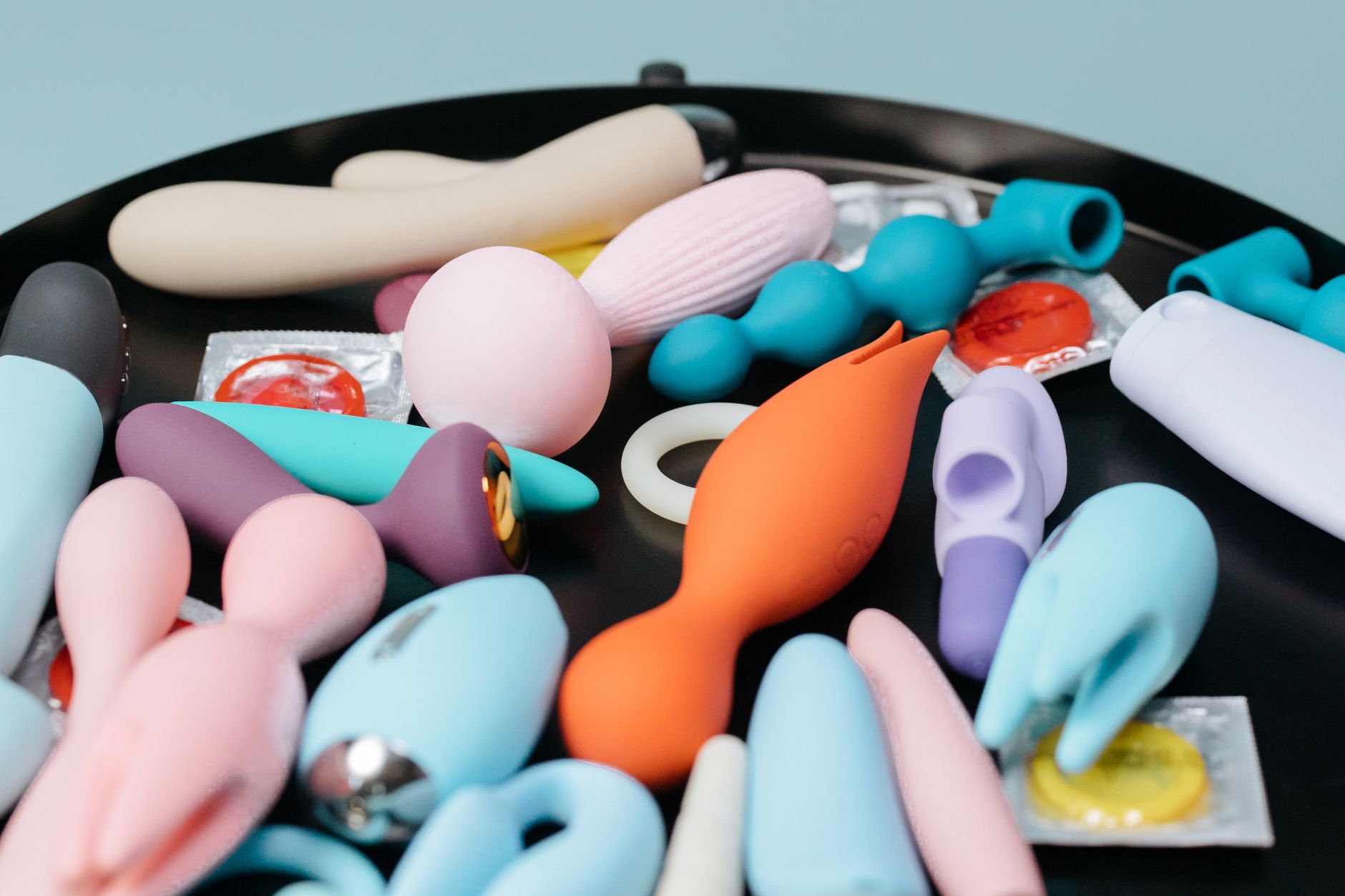
Okay, let's be real about what parenthood does to desire
You're not broken. You're not frigid. You're not a bad partner. You're exhausted, touched out, and running on a mental load that would crush most people. Desire doesn't disappear because you become a parent. It disappears because your brain and body are in survival mode.
The research backs this up. New parents report a 40 percent drop in sexual frequency in the first year after birth. By year three, many couples report their lowest sexual satisfaction since before they had kids. But here's what matters: most of these couples also report that reconnecting physically was one of the most healing things they did for their relationship.
Why parenthood specifically tanks desire
Three things happen simultaneously, and they're all intersecting.
First, the physical toll is real. If you gave birth, your body spent nine months changing. Birth itself is trauma. Recovery takes longer than six weeks, whatever your doctor said. Breastfeeding (if you did it) borrowed your touch. Your body stopped feeling like yours. And even if none of those applied to you, the sleep deprivation alone tanks sex drive across the board.
Second, the mental load is invisible but suffocating. You're holding the entire household in your head. Doctor's appointments, which kid needs what shoes this season, what's for dinner, did we pack the lunch, are we out of diapers, is the baby breathing. Your partner is helping. But the mental load isn't divided evenly. Brains don't work that way. Studies show that even when housework is split, the executive function of managing the household falls disproportionately on one person. That person doesn't feel like having sex.
Third, physical affection gets hijacked. A three-year-old is touching you all day. Wanting things. Taking energy. By night, the last thing you want is another person's hands on you. That's not a relationship problem. That's a nervous system issue.
What happens to desire when you become a parent
Desire doesn't disappear. It goes dormant. And there's a crucial difference.
Dormant desire can be rekindled. It responds to reduced stress, better sleep, feeling seen by your partner, and importantly, to pleasure that doesn't require being "in the mood" first.
This is where lemon clitoral vibrators change things. Not because they're magic. Because they work with the specific friction your nervous system is creating as a parent, not against it.
Most vibrators require you to be already aroused to feel good. They work best with blood flow, lubrication, and mental presence. When you're touched out and exhausted, your body doesn't want to "warm up to it." But lemon suction toys work differently. They stimulate without requiring the same cognitive load. They create pleasure through suction, which works on a different neural pathway than friction-based vibration.
What this actually means: you can put one against your clitoris for two minutes and feel something good while you're thinking about the kid's school forms. You don't need to arrive at the moment already on board.
How couples use lemon vibrators to rebuild intimacy
I've worked with dozens of couples navigating this exact transition. Here's the pattern that works.
Start alone. Not because you're hiding, but because you need to remember what your body feels like when it's not managing someone else's. One week of ten-minute sessions alone with a lemon vibrator often shifts something fundamental. Your nervous system remembers: "Oh, pleasure is still possible for me."
Then bring it to your partner, but reframe what's happening. This isn't "getting in the mood." This is "I want you here while I remember how to feel good." Your partner watches. They're present. They're not performing or trying to fix anything. Just present.
After a few times, they can touch you while you're using it. Not taking over. Just adding their hand. Their kiss. Their presence. Over weeks, it becomes a real ritual. You're not waiting to feel desire anymore. You're building it together.
This matters because it breaks the dynamic where sex becomes another thing you have to produce for your partner. It becomes something you share, something you do together to remember who you are outside parenthood.
The difference between solo and partnered use
When you use a lemon vibrator alone, you're giving yourself permission to feel good without producing for anyone. That permission is radical for a lot of parents. You spend your day producing. Producing milk, producing clean clothes, producing a calm environment, producing a functioning human. The idea of pleasure just for you, no performance required, shifts something.
When your partner is there, they get to witness you receiving pleasure. That's different from providing it. Witness is intimate in a way that performing together can be, but it's lower pressure. You're not waiting for them to turn you on. You're showing them you can turn yourself on. They're just there.
After that becomes normal (and it only takes a few weeks), partnered use becomes reconnection. You're not trying to recapture what you had before. You're building something new that works for who you are now.
Why this actually works when nothing else has
Most advice to new parents is either useless ("just schedule sex!") or blaming ("you need to make time for your partner"). Scheduling sex when you're touched out doesn't work because the problem isn't logistical. It's neurological. Your nervous system needs to recalibrate.
Lemon sexual toys help because they're a tool, not another demand. You're not trying to feel desire on demand. You're using something external to bypass the resistance and remember that pleasure is possible. Once your body remembers that, it's easier to say yes to connection with your partner.
The other thing that works: they acknowledge the real friction without trying to shame it away. Yes, you're exhausted. Yes, you're touched out. No, you don't need to fix that tonight. You just need a way forward that doesn't require forcing yourself to feel something you don't.
The conversation you need to have first
Before either of you touches anything, say this out loud: "My desire didn't go away because I stopped loving you. It went away because I'm running on empty. If we use this together, we're not trying to go back to what we had. We're building something that works now."
That conversation shifts everything. Suddenly this isn't about failure or rejection. It's about problem-solving together.
Then decide together whether you want to start solo or partnered. There's no wrong answer. Some couples need the solo stage to rebuild individual pleasure. Others want to rebuild it together because the separation feels too risky.
One more thing: lube. With lemon clitoral vibrators, you need more of it than you think. Not because something's wrong. Because suction works better with a seal, and the seal works better with lubrication. Water-based lubes are your friend here.
How to actually start
If you're the partner with lower desire: own the first move. Don't wait for your partner to suggest this. Tell them you want to try rebuilding pleasure together. Tell them you want to use lemon vibrators as part of that. This shifts you from being the problem to being the person solving it.
If you're the partner with higher desire: say you want to help your partner feel good again, not because they owe you sex, but because you miss connection. And you're willing to do it on new terms.
Then buy a lemon vibrator. The Lemon Clitoral Vibrator is designed specifically for this kind of pleasure. Start with a pattern that feels good (usually pattern 2 or 3 for someone returning to solo pleasure). Do it for five to ten minutes. That's it.
Do this three to five times alone before you invite your partner to watch. When you do invite them, have no expectations about what happens next. You're just practicing being pleasure together.
What most couples find: after three or four partnered sessions, something shifts. Desire starts to return because it's not freighted with guilt, obligation, or pressure anymore. It's just pleasure. And pleasure is contagious.
The thing nobody tells you about parenthood and desire
Your relationship is actually stronger now if you handle this right. Not because you have more sex. Because you learned to ask for what you need without shame. That's the skill that lasts.
Parenthood doesn't end desire. But it does require you to rethink it. Lemon vibrators aren't the solution to parenthood. The solution is remembering that pleasure is possible, that your body still belongs to you, and that your partner still wants you. The vibrator is just the tool that helps you remember.
People Also Ask
How long does it take to rebuild desire after becoming a parent?
There's no timeline. Some couples notice a shift in three weeks. Others take three months. The variable isn't time, it's consistency and honesty. If you're using a lemon vibrator twice a week and having real conversations about what killed desire in the first place, you'll see movement faster than if you're just hoping it returns on its own.
Can you use a lemon vibrator while your kids are in the house?
Yes, but context matters. If you have teenagers, privacy is harder. If you have young kids who nap, that window is gold. Most of the couples I work with use that nap time or after bedtime when they know they have at least thirty minutes undisturbed. The motor is quiet, so it's not about noise. It's about mental space without interruption.
What if one partner is more interested in rebuilding desire than the other?
Start with that person. Usually the partner with lower desire needs to experience pleasure alone first, on their own terms. Once they remember that pleasure is possible and safe, they're more willing to share it. Trying to force the reluctant partner into partnered pleasure before they've reconnected solo is like trying to push someone into the water before they've remembered how to swim.
Do you need lube with a lemon clitoral vibrator if you already have natural lubrication?
Yes. Suction toys work better with extra lubrication. It's not about whether you're naturally aroused. It's about the physics of the seal. Water-based lube is your best bet. Silicone lube lasts longer but can damage silicone toys, so stick with water-based.
What if using a lemon vibrator together still feels awkward?
That's normal for the first few times. You're doing something new. Awkwardness is part of learning. The key is to name it. "This feels weird, and I like that we're doing it anyway." After three to five times, the awkwardness usually settles into familiarity. And after that, it becomes intimate.
Can lemon vibrators help if you've had postpartum depression or anxiety?
Sometimes yes, sometimes no, and always with professional support. If you had postpartum depression or anxiety, reconnecting to pleasure might be part of recovery, but it's not the primary treatment. Work with a therapist or psychiatrist first. A lemon vibrator might become part of rebuilding your sense of self once you're in a more stable place, but it's not a substitute for real care.
The bottom line
Parenthood changes desire. It doesn't end it. And how you rebuild intimacy after kids is an actual choice. You can wait for desire to magically return (it won't). Or you can build it back intentionally, using tools that work with your current reality instead of against it. That's what lemon vibrators do. They meet you where you are, not where you used to be.