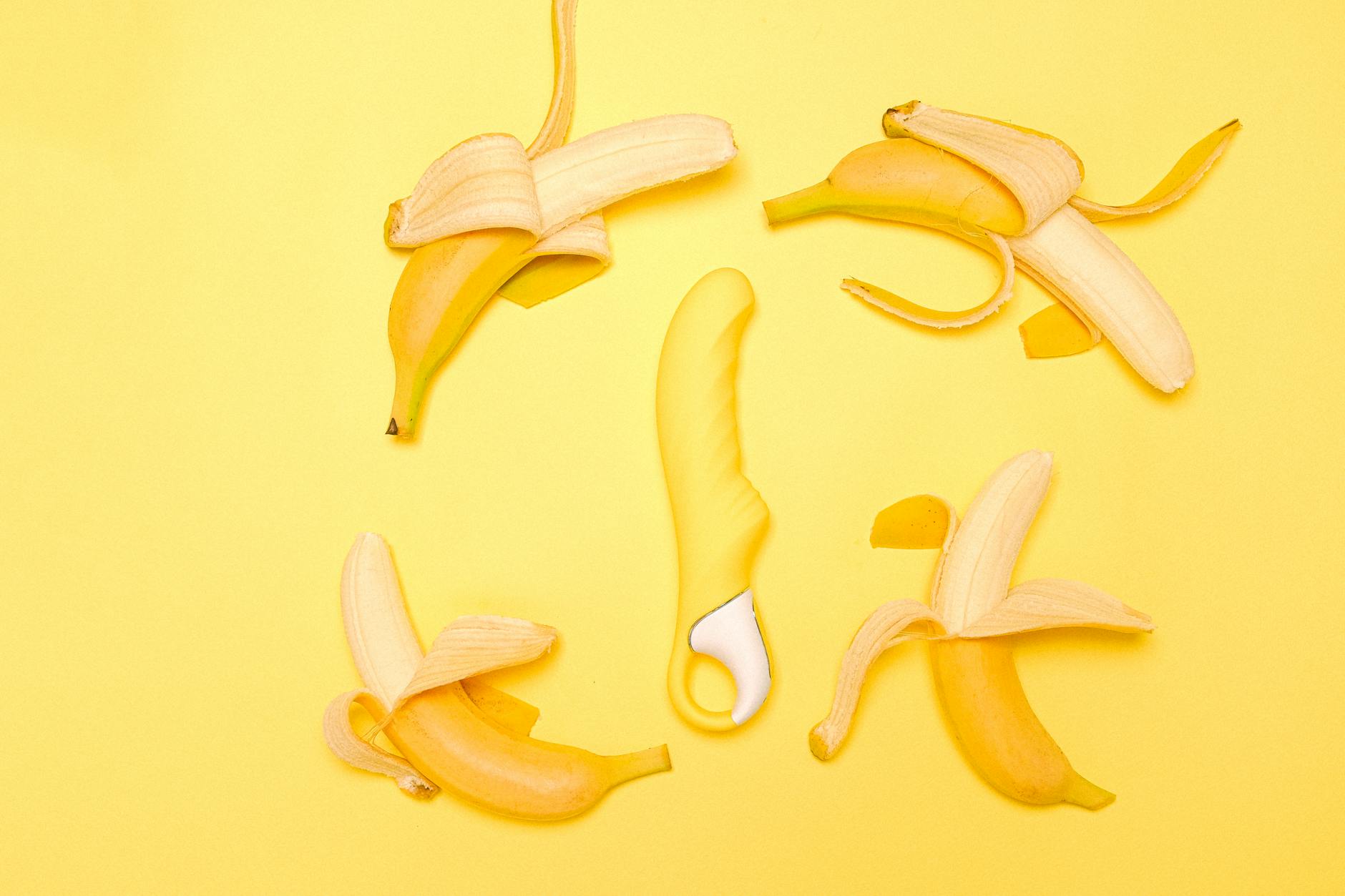
Here's the thing about menopause and sensitivity
Your clitoral nerves are still there. Fully intact. Still wired to your brain the same way they were at 25. But something shifted, and suddenly the touch that used to send electricity through your whole body feels muted, like you're hearing music through a wall.
That's not broken. That's menopause doing what it does best: rewiring your body in ways no one bothers to explain.
What's actually happening biologically
When estrogen drops, the tissue covering your clitoris gets thinner. Not gone. Thinner. This matters because sensation isn't just about nerve endings firing. It's about how much cushioning sits between those nerves and direct stimulation. Less tissue means less protective buffer, which can make traditional friction feel either too intense or not quite right.
At the same time, blood flow to the clitoral area decreases. Blood flow is what drives arousal response. It's what makes sensation feel alive and responsive. When it slows down, everything takes longer to build. This doesn't mean you can't get there. It means the pathway changed.
There's also a neurochemical piece. Estrogen affects neurotransmitters like dopamine and serotonin, which regulate how your nervous system processes pleasure signals. Drop the hormone, and your brain's sensitivity to those signals can drop too. You're not being more stubborn. Your nervous system is processing information differently.
Why lemon vibrators feel so different
Traditional vibrators work through repetitive friction and vibration amplitude. They move back and forth, trying to build stimulation through speed and force. After menopause, when tissue is thinner and sensation is already muted, adding aggressive friction on top feels either numb or uncomfortable.
Lemon vibrators use suction and pulse technology instead. The Lem, for example, creates a gentle sucking sensation combined with pulsing waves. This works on the nerves without requiring the same mechanical pressure. You're not fighting friction. You're using air pressure to create a different kind of stimulation pattern.
What my clients tell me most often is that it feels like the toy is waking something up rather than battering it awake. The suction creates a sensation that travels deeper without depending on surface-level sensitivity. It's pulling sensation from the whole clitoral structure, not just the visible part.
How sensitivity actually changes during and after menopause
Sensitivity loss during menopause isn't linear or uniform. Here's what's real and what's rumor.
The clitoral glans typically becomes slightly less sensitive to direct touch. This is the visible tip of the clitoris, and it's packed with nerve endings. When tissue thins, those nerves sit closer to the surface, which sounds like a win but actually can make direct stimulation feel raw or overstimulating instead of pleasurable.
The internal clitoral structure (the part that extends inside your body) often becomes MORE sensitive. Women frequently report that deeper, broader stimulation feels more intense after menopause than it did before. This is partly because less estrogen means less overall stimulation tolerance, so what touches the internal structure lands harder. It's also because the brain learns to direct sensation more efficiently.
Many of my clients who switch to suction-based lemon clitoral vibrators report that they feel more in control of intensity because suction can be modulated and varied. You can pulse it, let it build, release and restart. You can't do that as easily with a vibrator that's just buzzing at a fixed frequency.
The practical shifts that help most
Lubrication becomes non-negotiable. Not because you're broken, but because thinner tissue needs extra slip. Water-based lube works best with silicone toys like lemon vibrators because silicone-based lubes can degrade the material. Use enough that you're almost over-applying it. Your nerve endings will thank you.
Timing matters more. Arousal takes longer to build after menopause, and that's not a flaw. Budget 20 to 25 minutes for warm-up instead of expecting instant response. Many women find they need more mental space than they used to. Your brain's role in pleasure doesn't shrink after menopause. It often becomes more important.
Starting at lower intensity is critical. If you jump straight to a high suction setting, you're shocking nerves that are already less responsive. Begin at level one or two. Let sensation build. Work your way up only if you want to. Honestly, many women find their sweet spot at a lower setting than they ever used before and never feel the need to crank higher.
Pelvic floor relaxation is underrated. Kegel exercises get all the attention, but learning to fully relax your pelvic floor becomes more important after menopause. Tension in those muscles actually dampens sensation. A few minutes before using your lemon vibrator, try actively releasing that area. Breathe into the pelvic floor. Let it go soft. Then start.
When sensitivity loss points to something else
If your sensitivity completely flatlined and hasn't budged in six months, talk to a doctor who specializes in menopause. Genitourinary syndrome of menopause (GSM) is real, and sometimes the issue isn't just sensation loss. It's tissue atrophy that's severe enough to benefit from topical estrogen therapy.
Similarly, if sensation loss arrived suddenly alongside other symptoms like brain fog, severe mood changes, or joint pain, you might benefit from talking about HRT. Hormone replacement therapy doesn't work for everyone, but for some women, it genuinely restores sensation and arousal alongside everything else.
You might also check in about your medications. Certain antidepressants, blood pressure medications, and antihistamines can flatten sensation on top of what menopause already does. Sometimes a small adjustment helps.
The psychological part (which is sometimes the real part)
I'd be leaving out the most important piece if I didn't say this: menopause often arrives with other midlife shifts. Your body is aging. Maybe your partner is too. Maybe you're grieving fertility or your old body or both. Maybe you're dealing with kids, career stress, aging parents, or all of it.
Sensitivity loss sometimes feels like the physical manifestation of everything else that's changing. Your nervous system is genuinely less responsive, yes. But your mind might also be somewhere else, carrying weight that's not about your clitoris at all.
Before jumping to a solution, pause and ask: Am I distracted? Am I worried about something? Am I grieving? Am I feeling unsexy because of my age, not because of my anatomy?
If the answer is yes to any of those, a lemon vibrator won't fix it alone. But combined with some mental clearing, some time for yourself, and maybe some deliberate reconnection with your body, it often helps more than you'd expect.
How your partner fits into this (if you have one)
If you're with someone, this is worth naming directly. "My body is responding differently" and "I'm worried you won't find me sexy anymore" are two separate conversations. Conflating them creates dead ends.
The best lovers I know get curious about sensitivity loss. They ask what feels good now. They experiment. They don't take it personally. If your partner is defensive about needing different stimulation, that's a relationship conversation, not a body conversation.
Many couples find that exploring lemon vibrators together actually deepens connection. It removes the pressure on your partner to generate all sensation themselves. It gives your partner permission to touch you differently, to pay attention to different parts of your body, to slow down.
Why sensitivity loss after menopause doesn't mean the end of pleasure
I want to be direct about this because it matters: the most satisfied orgasms many of my clients have ever had came after menopause. This isn't motivational fluff. It's a pattern I see across clinical practice.
Why? Because sensitivity loss forces you to slow down. It forces you to pay attention. It forces you to stop counting orgasms and start feeling them. The nervous system that's less responsive is also less reactive to distraction, which means you might actually stay present during sex instead of running a mental to-do list.
A lemon clitoral vibrator often becomes the tool that bridges that gap. The suction sensation is novel enough that it interrupts old patterns. It's gentle enough that it doesn't feel like punishment. It's responsive enough that you can shape the experience yourself.
FAQ: What people actually ask about sensitivity and lemon vibrators
Will a lemon vibrator fix numbness from menopause?
It can help, but it's not a fix. Numbness caused by hormone loss can improve with lubrication, longer arousal time, and a different stimulation style. A lemon clitoral vibrator addresses the "different stimulation style" part. But if the numbness is severe or comes with pain, that points toward GSM or another condition that might need medical treatment. Start with the vibrator. If nothing shifts in a month, talk to a doctor.
How long after starting menopause does sensitivity usually drop?
It varies wildly. Some women notice changes in perimenopause, sometimes five to ten years before their final period. Others don't feel significant difference until well after menopause is official. The one consistent thing is that it usually happens gradually, not overnight. If sensitivity dropped suddenly, that's worth checking out with a healthcare provider.
Do lemon vibrators work better for post-menopausal sensitivity loss than traditional vibrators?
For most women, yes. Suction-based toys don't depend on friction, so they work well when tissue is thinner and sensation is lower. They're also easier to vary and modulate. That said, every body is different. Some women do great with a softer traditional vibrator. The key is starting low and paying attention to what actually feels good for your body, not what you think should feel good.
Can I use my lemon vibrator with hormonal birth control while in menopause?
If you're still menstruating, you might be in perimenopause, not menopause. But yes, you can definitely use a lemon vibrator. The suction won't interfere with hormonal birth control. Just keep the toy clean and use plenty of water-based lube.
Does sensitivity ever come back after menopause?
It can improve with time, especially in the first couple of years post-menopause. Your body adapts. What felt completely numb at month six might feel more responsive at month eighteen. If you're considering HRT, sensitivity sometimes returns more quickly because you're replacing some of the estrogen. But sustained sensitivity loss is normal and doesn't mean your pleasure capacity is gone. It just means the pathway changed.
What if I've tried a lemon vibrator and it still feels meh?
Try one more thing before giving up: let your body warm up for a full 20 minutes before you use it. Do something that arouses you. Read something, look at something, think about something that actually turns you on. Then add the toy. Many women find that solo exploration works better in a state of genuine arousal rather than just going through the motions. Also check your lubrication. Most women use way less lube than they actually need.
The bottom line
Lemon vibrators weren't designed specifically for menopause, but they work surprisingly well for the particular challenges menopause creates. The suction technology doesn't depend on friction or aggressive vibration. It wakes up nerves without demanding that those nerves be as sensitive as they were at 30. You're not fighting your body's natural changes. You're working with them.
Sensitivity loss after menopause is real. It's also workable. With the right tools, the right information, and a little patience, pleasure is absolutely still on the table. Often, it's richer than it was before because you finally have permission to slow down and pay attention to what actually feels good.