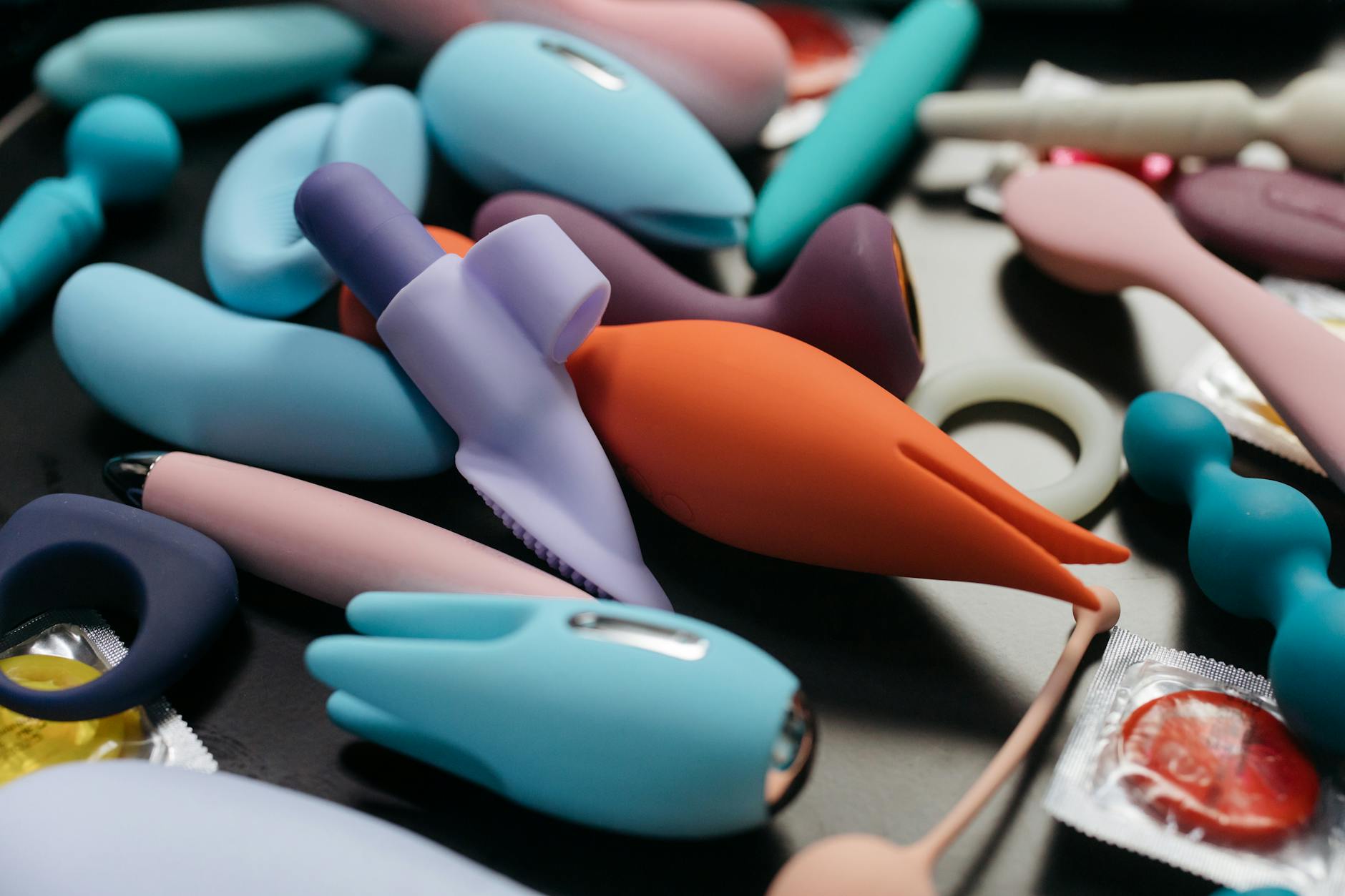
Depression doesn't just numb emotions—it kills arousal
Honestly, nobody warns you about this part. The depression lifts. The medication works. You feel like yourself again. But your body? Your body is still asleep.
It's not that you don't want pleasure. It's that pleasure doesn't feel like much of anything. That flatness that depression brought to your whole life—it lingered in your sensations long after it left your mood. For a lot of people, that mismatch is more frustrating than the depression itself because at least then you had an explanation.
Why depression and arousal are so tangled
Depression doesn't just affect your brain chemistry in one place. It's systemic. It dampens dopamine, which controls both mood and arousal. It raises cortisol, which suppresses sexual response. It makes your nervous system live in fight-or-flight mode, which means your body literally can't access the parasympathetic "rest and digest" state you need for pleasure to feel like anything.
When you're in the thick of depression, this makes sense. Your nervous system is protecting you by shutting down non-essential functions. Pleasure isn't essential when you're trying to survive the day.
But here's the thing nobody explains clearly: depression can heal emotionally while your body's arousal system is still recalibrating. The medication helped your neurotransmitters rebalance. It didn't instantly rewire the sensory pathways that chronic depression dampened. That takes time. Sometimes months. Sometimes longer.
The physical shift that makes a difference
When arousal is dulled by depression, regular friction-based vibrators often feel muted. Your tissues aren't engorged. Your nerve endings aren't firing at full capacity. A standard vibrator against numb sensation? It's just vibration. It doesn't feel like much.
Lemon clitoral vibrators work differently. Suction stimulation doesn't rely on the same tissue engorgement that traditional vibrators do. Instead of needing your tissues to be fully responsive, suction activates the thousands of nerve endings around the clitoris through pneumatic pressure. It's a chain reaction your body recognizes even when arousal feels distant.
For someone rebuilding arousal sensitivity after depression, this matters wildly. You're not trying to feel pleasure at full intensity right away. You're trying to remember what pleasure feels like at all. Suction toys teach your nervous system to recognize stimulation before your arousal fully catches up.
Starting slow is actually the strategy
When you're trying to rebuild sensitivity, the temptation is to increase intensity. More power, more vibration, more everything. That usually backfires because you're working with a nervous system that's still recalibrating.
Instead, start with pattern 1 or 2 on the Lem. Seriously. The lower patterns create gentler suction rhythms that don't overwhelm a system still learning to register pleasure again. Spend time here. You might not orgasm. That's fine. The point is to rebuild the neural pathway that says "this sensation = something good is happening."
Pair this with a water-based lubricant even if you don't think you need it. Depression often affects natural lubrication, and adding a bit externally removes friction that might feel uncomfortable when sensitivity is already dampened. It lets the suction work more cleanly.
The timeline nobody talks about
Your depression healed on one timeline. Your arousal is healing on another. This is normal and infuriating in equal measure.
Most people start feeling genuine arousal responses return between 2 to 8 weeks of consistent exploration. Some experience it faster. Some take longer. The speed doesn't mean anything about your recovery or your sexuality. It just means your nervous system has its own schedule.
During this time, don't expect orgasm to feel the way it used to. It might feel muted. Less intense. Different in texture or location. All of this is your body slowly waking up. Each time you use a lemon clitoral vibrator, you're literally reinforcing neural connections that depression interrupted. Progress isn't always noticeable session to session. It accumulates.
Why solo exploration beats waiting for a partner to fix it
If you have a partner, there's a real temptation to think their touch will wake you up faster. It won't. Not because they don't matter, but because rebuilding arousal is a neurological process, not an emotional one. Another person's effort can't speed up your nervous system's recalibration.
Solo time with a lemon sucker toy lets you focus entirely on sensation without the added processing of someone else's presence or expectations. You can explore at your actual pace, not the pace you think you should be at. You can notice what patterns create even small shifts in sensation without worrying about anyone else's experience.
Once you're feeling genuine arousal returning, partner sex gets better fast. But trying to rebuild sensitivity with a partner watching or waiting usually just adds performance pressure to a system already struggling to feel.
When to check in with a therapist
If you're 10-12 weeks into consistent exploration and arousal still feels completely flat, talk to your psychiatrist or therapist. Sometimes the original medication dosage needs adjusting. Sometimes a different medication would help. Sometimes there's an underlying belief about pleasure that depression planted and needs active work to uproot.
This isn't a sign you're broken. It's just information that your nervous system might need additional support beyond what a lemon vibrator can provide.
The reset you didn't expect
Here's the part that catches people off guard: rebuilding arousal after depression sometimes creates pleasure that feels different from before. Not worse necessarily. Just different. Maybe more localized. Maybe requiring different rhythm or intensity. Maybe needing longer warm-up time.
That's not a problem. That's actually your nervous system healing in a way that's uniquely suited to you right now. Fighting it and trying to recreate pre-depression pleasure usually just extends the timeline. Accepting that your arousal might feel like version 2.0 instead of a return to version 1.0 speeds up the whole process.
Your depression is gone. Your arousal is coming back. Give it the space and tools it needs. Hello Nancy's lemon vibrators exist partly for this exact reason—for the moments when standard approaches don't work because you're not working with a standard nervous system. You're working with one that's healing.
Frequently asked questions
How long does it usually take for arousal to return after depression remission?
Most people report noticing real shifts between 4 to 12 weeks of consistent, gentle exploration. Some people feel it sooner. Some take longer. The key variable is consistency, not intensity. Using a lemon clitoral vibrator twice a week for two months will usually show clearer progress than an intense session once every three weeks. Your nervous system learns through repetition, not force.
Can I use lemon vibrators while still on antidepressants?
Absolutely. In fact, many people find they're more effective once the antidepressant has stabilized their mood enough that they can focus on sensation. Some antidepressants do reduce arousal as a side effect—that's separate from depression itself. If your medication is the actual barrier, that's a conversation for your psychiatrist. But the depression being gone plus gentle lemon toy exploration usually creates the conditions for arousal to return.
What if I'm using a lemon vibrator and still feel nothing?
First, make sure you're actually at pattern 1 or 2, not ramping up intensity too fast. Second, give it time—sometimes the first 3 to 5 sessions are just your nervous system recognizing the sensation, not feeling pleasure. Third, check that you're using water-based lubricant and that you're warm and relaxed. A tense body won't feel arousal even if it's technically present. If you've been consistent for 8 weeks and there's literally no shift, that's worth discussing with your therapist or doctor.
Does lemon suction stimulation work differently than vibration for rebuilding arousal?
Yes. Suction activates nerve endings through pressure changes rather than friction. For a nervous system that's been dampened by depression, this can feel more recognizable as "pleasure" even when traditional vibration feels muted. It's not universally better, but it tends to work faster for arousal recovery specifically. That's why so many people rebuilding sensitivity reach for lemon clitoral vibrators first.
Should I tell my partner what I'm doing?
That depends on your relationship and what feels right to you. Some people find that openness helps—their partner understands they're healing rather than rejecting intimacy. Some people prefer privacy during this phase and bring their partner in once arousal is returning. Neither choice is wrong. What matters is that you're giving yourself space to reconnect with sensation without pressure.
Is it normal if orgasms feel different when arousal returns?
Completely normal. Depression flattened everything, including how your body experiences climax. As your nervous system wakes up, the sensation might feel more concentrated, less intense, or located slightly differently than before. This usually settles into something familiar within a few weeks. Your body remembers pleasure. Sometimes it just needs a minute to remember its own shape.