How to Introduce Lemon Vibrators to Your Partner Without Awkwardness
The thing nobody tells you about bringing this up
You're not actually worried about the vibrator. You're worried about what he or she thinks it means about you, about them, about what you want that they're not giving you. That fear is real. And it's also almost never the actual issue once you start talking.
Here's what I've seen work in therapy: people who normalize the conversation early, frame it as exploration together, and pick the right moment almost always end up closer for it.
Why the conversation feels bigger than it is
Our brains are wired to protect us from rejection. We catastrophize. The story goes: "If I bring this up, they'll think I'm not satisfied. They'll think I want someone else. They'll feel inadequate." All plausible. All also usually not what happens.
What actually happens most of the time is your partner either feels relieved ("Oh thank god, I thought something was wrong"), curious ("Tell me more"), or neutral ("Okay, let's try it"). The rejection you're bracing for rarely materializes.
That said, timing and framing matter. A lot.
The setup: choose your moment
Don't do this during sex. Don't do it when you're tired, hangry, or mid-argument. Don't lead with it as a solution to a problem you haven't named together.
Pick a moment when you're both relaxed, clothed, and not rushed. A walk. The car on the way somewhere. A quiet evening after dinner. The goal is a conversation, not a negotiation.
If your relationship has good communication already, this is easier. If there's been distance or tension, you might want to address that first. A vibrator isn't a band-aid for disconnection. It's a tool for couples already heading in the right direction.
The opening line that actually works
Forget "Can we talk?" That triggers anxiety. Forget lengthy preambles. Just name the thing:
"I've been thinking about trying something new together sexually, and I wanted to talk to you about it." Full stop. Wait.
That's it. You've named the desire to explore without shame. You've centered "together." Now they get to respond.
If they ask what, keep it simple: "I've been curious about clitoral vibrators. I think it might feel amazing for me, and I'd want to try it with you."
That frame does three things at once:
1. It's about your pleasure, not their inadequacy. Vibrators aren't a replacement. They're an amplifier. You're not saying "I want this because you're not enough." You're saying "I want this because pleasure matters to me and I want to explore it."
2. It invites participation. "With you" is the key phrase. You're not asking to do this solo behind closed doors. You're asking them to be part of it.
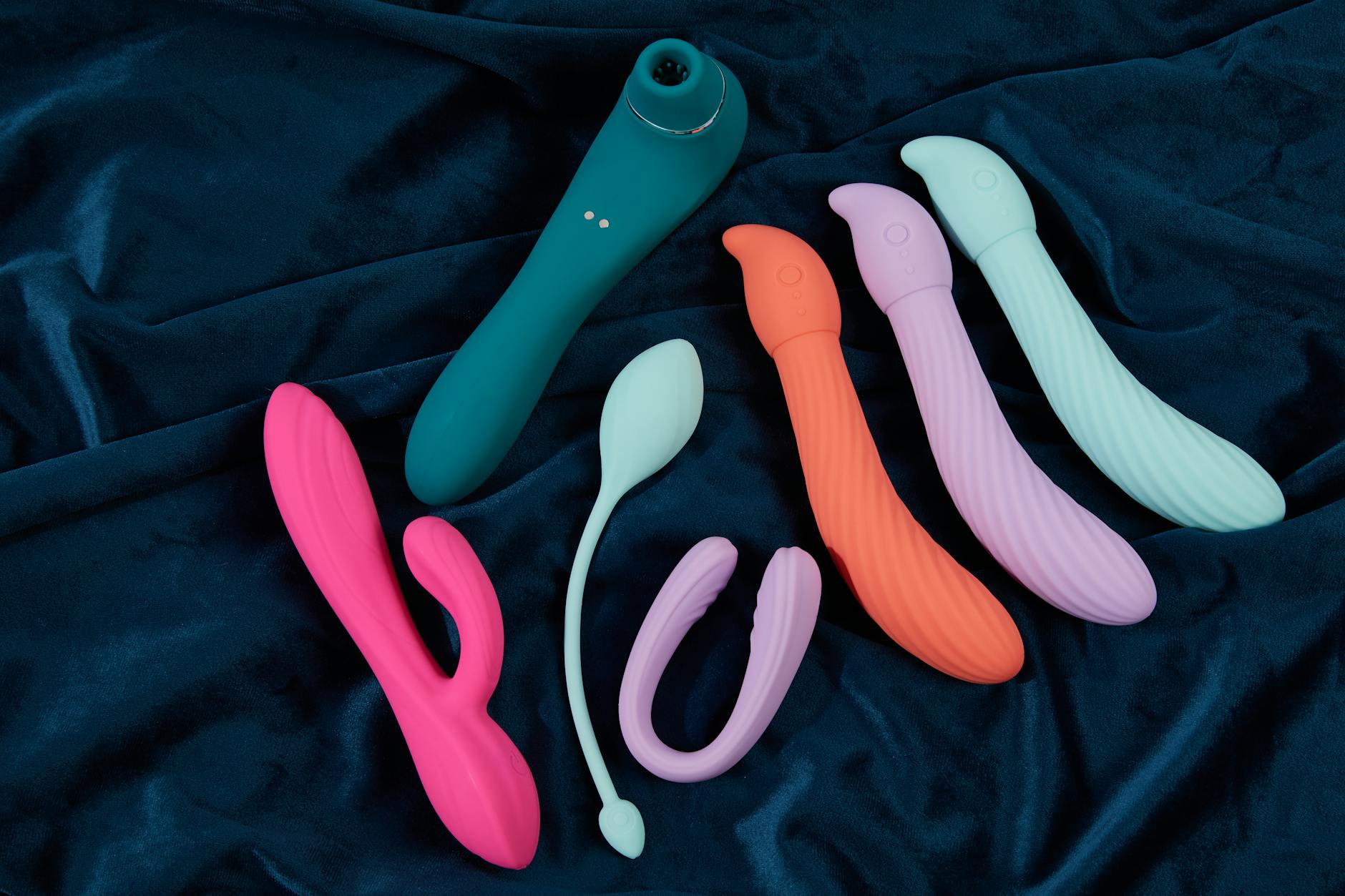
3. It's specific. Naming "clitoral vibrators" like the Lem or other lemon sexual toys removes the vagueness. Your partner isn't imagining some bizarre contraption. They're imagining something designed for a specific kind of pleasure.
What to say if they push back
Most won't. But some will. Common responses and how to navigate them.
"Don't you enjoy sex with me?"
This one usually means: "Are you satisfied with me?" Address the actual fear.
"I do enjoy sex with you. That's not what this is about. This is about me wanting to explore what my body can feel. It's not about you being enough or not enough. It's about me being curious."
If there's deeper relationship dissatisfaction hiding under this, you might need a different conversation (or a couples therapist). But most of the time, this response defuses it.
"I don't know if I'm comfortable with that."
That's fair. Ask what the discomfort is. Is it jealousy? Confusion? Worry about what it means? Once you know the real concern, you can address it.
Maybe they need time. Maybe they want to research. Maybe they want to be there when you use it. Honor whatever that is.
"I'm worried I won't measure up."
This is vulnerability. Treat it that way.
"A vibrator does something different than you do. It's not better. It's just different. You do things a vibrator can't do. I want both. I want you and this."
If insecurity is a pattern in your relationship, this might warrant couples work. But a single conversation about this often resolves it.
The practical part: showing them what you mean
Once you've talked about it, the weirdness often evaporates. People are less afraid of things once they can see them.
Show them a picture. Point them to Hello Nancy's site. Let them read about how lemon clitoral vibrators work. Demystification kills a lot of the fear.
If you want to order one together, that's even better. It makes it a shared choice, not something you're doing to or at them.
The first time: expectations and reality
Your partner might want to be there. Might not. Might want to use it together, or watch, or be in another room. All of that is information about them and your dynamic.
The first time with a new tool often feels awkward. Positioning is weird. You're thinking about the mechanics instead of feeling. That's normal. The magic usually shows up on try two or three.
If your partner is present, they might feel like they should "do something." They shouldn't. Their job is to be there, to pay attention, to enjoy watching you enjoy yourself. That's plenty.
Why this conversation often brings couples closer
In my practice, I see couples who introduce exploration together report deeper intimacy. Not because the toy is special. Because they had a conversation about desire, about what they want, about permission and pleasure.
That conversation is intimate. It requires vulnerability. It requires saying "I want things" and "I'm curious" out loud.
Once you've done that, using a lemon clitoral vibrator together is almost secondary. You've already built something.
When to call in backup
If your partner consistently refuses to engage, shames you for asking, or makes you feel bad about your body or your desires, that's a relationship issue that goes deeper than vibrators.
A couples therapist can help you both get unstuck. Not to force them to accept vibrators, but to help you communicate about desire and pleasure in a way that feels safe.
Most couples I work with find that once they start talking openly about sex, other areas of the relationship improve too. Desire is connected to emotional safety. Safety is the foundation.
The after
After your first conversation and first attempt, check in. Not formally. Just "That was fun" or "I liked when..." or "Let's try it again next week."
These small acknowledgments keep the conversation alive. They normalize pleasure as something you talk about, not something that happens in silence.
Lemon sexual toys, clitoral vibrators, suction toys, whatever you choose to explore, work best when there's curiosity on both sides. That curiosity starts with one conversation.
People also ask
Will my partner feel threatened by a vibrator?
Most don't, once they understand what it actually is. A vibrator doesn't replace a person. It can't. But the fear of replacement is real for some people. That's why the framing matters so much. When you position it as "I want to explore pleasure with you," the threat usually dissolves.
What if my partner wants to use it on me but I'm not comfortable with that yet?
That's completely fine. You get to set the pace. Maybe you use it solo first. Maybe you use it with them present. Maybe eventually they help. Control when you feel ready.
Can introducing toys actually improve a struggling relationship?
Not on their own. A vibrator can't fix communication problems or emotional distance. But the conversation that leads to trying new things together can open a door. If your relationship is struggling, that's the thing to address first. A couples therapist is more urgent than a toy.
How do I bring this up if we've never really talked about sex before?
Start smaller. Before the vibrator conversation, practice talking about desire in general. "What do you like?" "What makes you feel good?" Build the muscle of talking about pleasure together. The vibrator conversation becomes easier once you've practiced the basics.
What if I want to use a Lem or other lemon clitoral vibrator but my partner has no interest in exploring?
You still get to have pleasure. You still get to use toys. Their lack of interest doesn't mean you shouldn't. But you might want to have a conversation about where the boundary is. Do they not want to be present? Or do they not want it to exist at all? Those are different things worth naming.
Is there a good age to introduce this conversation?
Whenever you feel ready. It could be early in dating. It could be after years together. There's no "right" time except the time when you feel safe enough and curious enough to try.
The real secret: most couples are relieved when someone brings this up. So many people want more pleasure, more novelty, more connection. They're just waiting for permission. Be the one who gives it.
Your pleasure matters. Your curiosity matters. And most people who love you want you to feel good. The conversation is just the door opening. Everything that comes after is the adventure.