The thing nobody tells you about long-term desire
It's not that passion dies. It's that it goes quiet. After years together, the urgency that felt essential in year two or three gets replaced by something subtler: comfort, sometimes boredom, occasionally resentment. Physical desire in a decade-long relationship isn't the same beast as desire in the first year. And that's not automatically a problem.
The problem is pretending it should be.
Most couples who come to me say roughly the same thing: we used to want each other constantly, and now months go by without really thinking about it. Then they feel guilty about not feeling guilty. The spiral is the actual trap, not the shift itself.
Why desire changes (and it's not always about your relationship)
Let me separate the real causes from the myths. When you've been with someone for years, several things happen at once.
First, the novelty is gone. Your brain literally produces less dopamine around a familiar partner. This isn't a sign of failure. It's neurology. The same nervous system that gave you butterflies in year two is now optimized for efficiency. Your partner's presence feels safe instead of electric. Both are valuable.
Second, life gets heavy. If you've been together 7, 10, 15 years, you've weathered job stress, family obligations, health scares, maybe kids. That psychological load doesn't evaporate because you get into bed. Arousal requires a certain amount of mental space. When you're carrying the full weight of adult life, that space shrinks.
Third, you've likely fallen into patterns. You know exactly how the other person responds. Sex becomes predictable. The same positions, the same pace, the same three-minute warm-up. Predictability is comfortable. It's also not particularly arousing.
None of these mean your relationship is broken. They mean it's mature.
The difference between desire and capacity
Here's the distinction that changes everything: wanting sex and being able to become aroused are two separate systems. You might feel genuine affection for your partner, rate them as attractive, and still find that arousal doesn't show up on command.
This is normal. This is especially common for people with vulvas in long-term relationships. The cultural script tells you that desire should be automatic, that you should want sex as often as your partner does, that lower libido is a personal failure. None of that is true.
What's true is that arousal in a long-term partnership often needs to be invited. Not forced. Invited.
Three practical ways to shift the pattern
Build friction back in. I don't mean conflict. I mean intentional separateness. If you see your partner every evening and share a bed every night, the eroticism of encounter evaporates. One couple I worked with started scheduling a night apart every other week. No obligation. Just two people in different spaces, living briefly separate lives. When they reunited, desire returned naturally. You don't need to go that far, but the principle holds: some distance creates longing.
Stop waiting for spontaneous desire. The expectation that arousal should just happen is poisoning long-term sexuality. Instead, treat arousal like a skill. Schedule sex if you need to. Block out 90 minutes on Thursday evening. Go in without expectations. Foreplay becomes less about mechanical steps and more about actual attention to your partner's body. This removes the pressure and paradoxically makes arousal more likely.
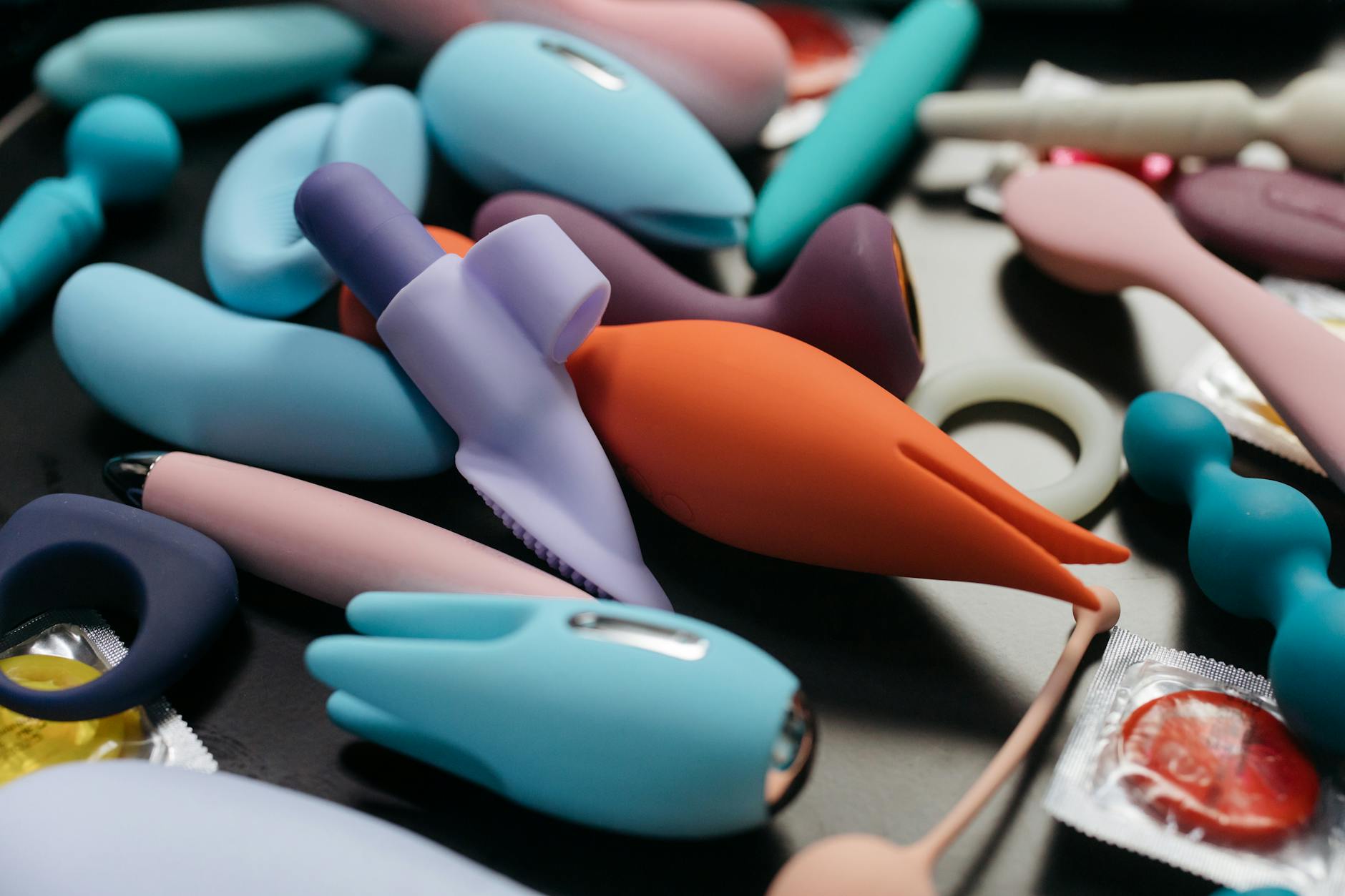
Introduce novelty in small ways. This doesn't require a costume party or swinging. It could mean switching rooms, changing the time of day, or using a tool you haven't tried before. When lemon clitoral vibrators enter the picture in a long-term relationship, they often reset the dynamic because they're new. They require attention. They invite curiosity. That shift alone can wake up a dormant system.
The role of touch outside the bedroom
Most long-term couples stop touching each other except during sex. You kiss hello, hug when someone's leaving, but the casual physical affection that characterized the early relationship vanishes. This is a huge factor in why arousal disappears.
Touch is the foundation of arousal. When you spend months without physical connection beyond logistics, your nervous system stops recognizing your partner's body as something worth exploring. The solution is unglamorous: hold hands while watching television. Put your hand on their back when you walk through a door together. Hug without pulling away immediately.
This isn't foreplay. It's the opposite. It's non-sexual touch that reminds your system that physical contact with this person feels good. Arousal builds from there naturally.
When arousal gets stuck on low
If you've implemented the above and desire still doesn't return after several months, something else is likely running underneath. Look for these patterns.
Unresolved conflict is the biggest killer. If you and your partner are annoyed with each other, are harboring resentment, or haven't had a real conversation in weeks, sexual desire will stay in hibernation. Couples therapy isn't optional in that situation. It's foundational.
Second, check your medical baseline. Are you sleeping enough? Moving your body? On medications that affect libido? These factors matter enormously and rarely get discussed. A conversation with a doctor is worth having.
Third, examine your own relationship with pleasure. Many people in long-term relationships have slowly absorbed the idea that sexuality is supposed to be about the other person's satisfaction. When that becomes your primary script, arousal for yourself becomes foreign. Working with a therapist on that pattern often unblocks everything else.
Tools that actually work in a reactivated dynamic
Once you've created space for desire to return, certain tools help it along. Lemon adult toys like the lemon clitoral vibrator can be particularly useful in long-term partnerships because they're different from a partner's body. They invite curiosity. They require communication about what feels good. When a couple uses lemon sexual toys together or incorporates them into solo play before partnered sex, it often reignites conversation about pleasure itself. That conversation is usually the real shift.
The suction sensation of lemon vibrators also works well because it doesn't mimic finger or tongue sensation. It's entirely new. For people in long-term relationships where the touch patterns have become deeply familiar, a genuinely novel sensation can wake up arousal in surprising ways.
The reset is not about performance
This matters so much that I'm saying it plainly: rebuilding arousal in a long-term relationship is not about becoming a better lover or more sexually skilled. It's about creating conditions where desire can exist again. Those conditions are psychological as much as physical.
You can't force arousal by trying harder. You create space for it by changing patterns, inviting novelty, touching each other outside sex, and being honest about what's actually happening instead of what you think should be happening. That combination shifts things.

Photo by Anna Shvets on Pexels
Most couples who invest in this work report that their sexual life becomes better after rekindling desire than it was even in the early years. The difference is that it's intentional now. It requires conversation. It requires showing up. And for many people, that makes it infinitely more meaningful.
How to talk to your partner about this
Starting the conversation is the hardest part. You might say something like, "I've noticed our sex life has changed over the years, and I think some of that is normal. But I also think we've drifted into a pattern that doesn't work for either of us. I'd like to explore that together, without pressure or judgment."
That framing removes blame. It acknowledges reality. It opens the door to genuine partnership around the issue instead of turning it into a problem to solve.
If that conversation feels impossible, that's data too. It suggests you and your partner might benefit from working with someone trained in couples therapy. A professional can create safety for conversations that feel too tender to have alone.
FAQ: Rebuilding desire in long-term relationships
How long does it typically take to feel arousal return after years of nothing?
There's no fixed timeline, but most couples report noticing a shift within 4-8 weeks if they're actively changing patterns. That said, it's not linear. You might have a great week and then fall back into old habits. The key is persistence without judgment. Think in months, not days.
Is it normal that I feel attracted to my partner but not aroused when we start to be intimate?
Completely normal, especially in long-term relationships. Attraction and arousal use different neural pathways. You can absolutely find someone attractive and still need more time or novelty to become aroused. That's not a reflection on your partner or your relationship. It's information about what your nervous system needs right now.
Can lemon vibrators actually help rebuild desire in a marriage?
They can be a tool, not a cure. What they do is introduce novelty and invite communication. When both partners approach a new toy with curiosity instead of pressure, it often opens conversations about pleasure that haven't happened in years. That conversation is what shifts things, not the tool itself. That said, the lemon clitoral vibrator's suction sensation feels genuinely different from conventional vibration, which can wake up arousal when familiar touch has become routine.
My partner thinks the problem is that I don't want them anymore. How do I explain that it's more complicated?
You might say, "I do want you. I want to feel close to you. What's happening is that my arousal system has gotten quiet, and that's not the same as not wanting you." The distinction matters. Then invite them into problem-solving. Make it a shared project instead of a problem about you or them individually.
What if one partner wants to rebuild desire and the other doesn't care?
That's a significant mismatch and worth exploring with a therapist. It might indicate that one partner has emotionally checked out, or that you have different needs around sexuality. Those are real issues that need real conversation. Sometimes couples therapy helps. Sometimes it clarifies that you've grown in different directions. Either outcome is important information.
Is scheduled sex really romantic, or does it just feel forced?
It feels forced at first. It often becomes unexpectedly intimate once you commit to it. Knowing you have 90 minutes of uninterrupted time together, free from obligation and distraction, changes how you show up. You're not trying to squeeze sex into exhaustion. You're creating actual space for attention. That shift alone often makes it feel less forced and more intentional.
The long view
Aroussal in a long-term relationship is not something that stays constant if you do nothing. It requires tending. That's true for every relationship that lasts beyond five years. The couples who stay connected sexually are not the ones who got lucky with constant desire. They're the ones who noticed the change, named it, and made small adjustments to their patterns.
You can rebuild arousal. It won't look like year two. It will look like something deeper, because it will be chosen rather than automatic. That's not settling. That's actually the good part.
If you and your partner are ready to explore this work together, reach out to discuss what might help.