Pregnancy and pleasure aren't a contradiction
Here's the thing: nobody tells you that your body's pleasure architecture changes during pregnancy and then again after birth. Some sensations disappear. Others intensify wildly. What worked three months ago might feel completely different now. Most of the information out there treats pregnancy as a nine-month abstinence, which isn't helpful or accurate.
The truth is that many people find pleasure more accessible during pregnancy than they expected. The increased blood flow to your genitals, the hormonal shifts, the heightened sensitivity in your breasts and clitoris. But accessing that pleasure requires understanding what's actually happening in your body and choosing tools that work with those changes, not against them.
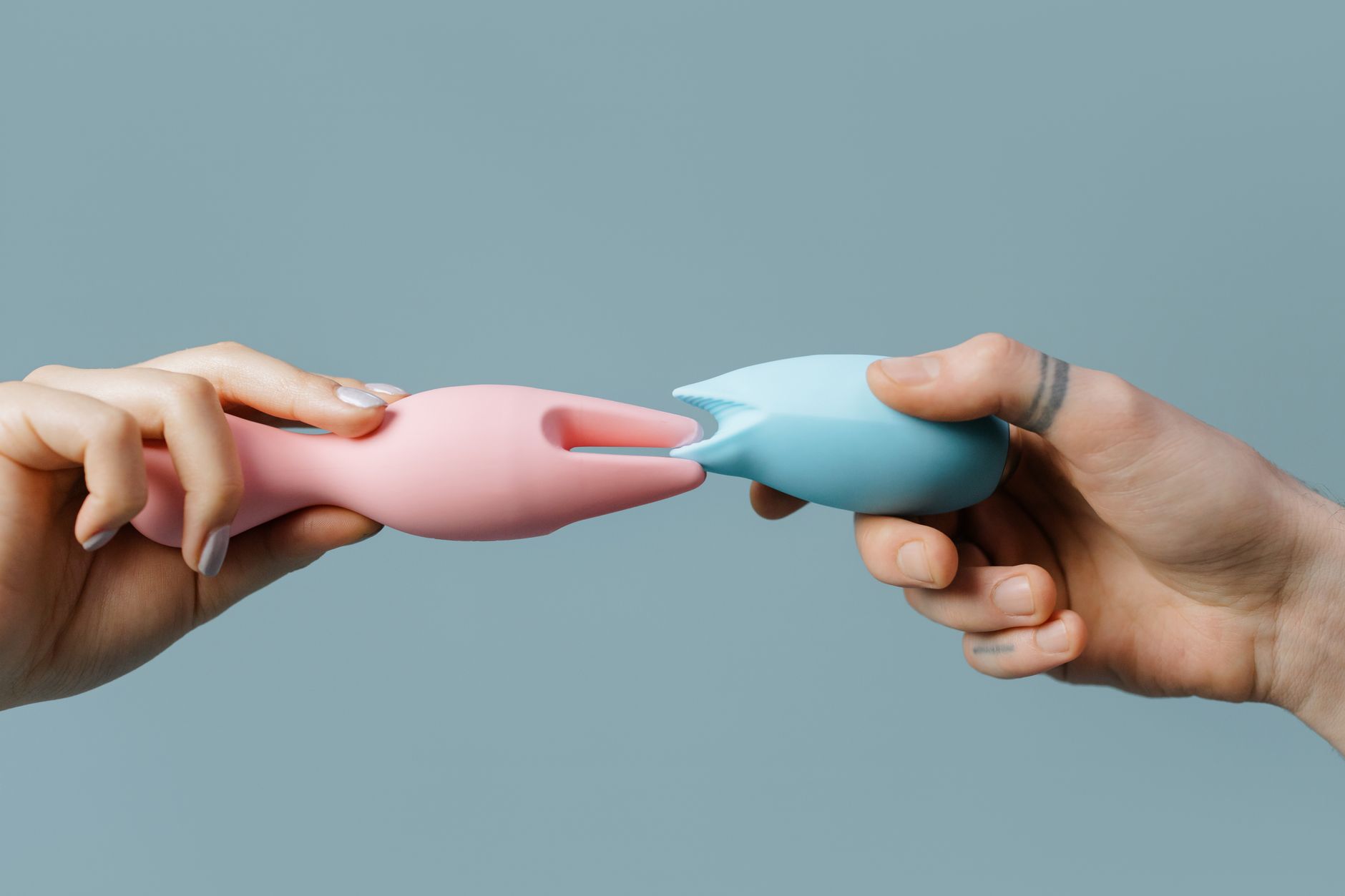
That's where lemon vibrators come in. Specifically, the gentle suction stimulation of the Lem is designed to work with sensitive tissue. During pregnancy and postpartum, that matters more than it ever has.
What actually changes during pregnancy
Vaginal tissue swells during pregnancy. This isn't a problem. It's a normal physiological response to increased blood flow and hormonal changes. That swelling means the area is more sensitive, more vascular, and honestly, often more responsive to stimulation.
Your clitoris enlarges slightly. Your vulva becomes more engorged. The vaginal tissue becomes more elastic as your body prepares for birth. All of this can actually make orgasms easier to reach and sometimes more intense. Some people have their first orgasm during pregnancy. Some have their strongest orgasms.
But here's what else happens: your nerve endings become hypersensitive. What felt perfect in month two might feel too intense in month six. Your pelvic floor starts supporting more weight. The Braxton-Hicks contractions can feel either amazing or annoying depending on the day.
Why lemon clitoral vibrators work better than traditional vibration
The difference between a standard vibrator and a lemon sucker comes down to mechanics. A typical vibrator uses repeated high-frequency oscillation. It's direct percussion on tissue that's already swollen and sensitive. During pregnancy, that kind of intensity can feel jarring or even painful.
The Lem uses gentle suction and pulsing patterns. It stimulates the clitoral nerves without the same mechanical force. You're not pounding sensitive tissue with vibration. You're creating rhythmic pressure that works with your body's heightened responsiveness instead of against it.
For pregnant people, this means you can stay connected to pleasure without worrying about whether the stimulation is too much. You control the intensity. You start low. You adjust as your body changes week to week.
How to use lemon vibrators safely during pregnancy
Three things matter here: communication with your healthcare provider, knowing your own body, and adjusting as you go.
Talk to your OB or midwife first. If you have a history of miscarriage, preterm labor, or placental complications, you need their clearance before using any vibrator. If you have a low-lying placenta or are on bed rest, check in. Most healthcare providers are completely fine with solo pleasure during a healthy pregnancy, but your specific situation matters.
Start with the lowest intensity setting. The Lem has multiple pattern options. Begin with pattern one or two. Your tissue is more sensitive now. You don't need the same power you might have used before pregnancy. As your body adjusts over days or weeks, you can explore higher settings if you want to.
Use plenty of water-based lubricant. Pregnancy increases natural lubrication, which is great. But adding extra lube reduces any friction and makes the experience even more comfortable. It also helps the suction seal work more smoothly.
Pay attention to your pelvic floor. During pregnancy, your pelvic floor is already working overtime supporting your growing belly. If you feel heaviness, pain, or pressure during or after using a vibrator, stop. Rest. You might be overstimulating already-fatigued muscles. Some people benefit from pelvic floor-aware approaches to pleasure during this time.
Stop if you feel contractions that don't fade. Orgasms trigger uterine contractions. That's normal. They should stop within a minute or two. If you feel sustained cramping or consistent contractions after pleasure, pause and hydrate. Call your provider if the contractions don't settle.
The postpartum reset
After birth, everything changes again. Whether you delivered vaginally or by cesarean, your body needs time. The first six weeks are about healing, not pleasure. But around week six, when you get cleared by your provider, pleasure can re-enter the picture.
Postpartum tissue is fragile. If you had a vaginal delivery with tearing or an episiotomy, that scar tissue is still sensitive. Your pelvic floor muscles are tired. Your hormone levels are plummeting, which affects lubrication and tissue thickness. Your nervous system is in overdrive managing a newborn.
This is exactly when lemon vibrators become useful again. The gentle suction approach means you can explore sensation without aggressive friction. You're not irritating healing tissue. You're reconnecting with your body in a way that feels manageable.
Start slow with timing. Your first few postpartum sessions might be just five minutes. Your nervous system is maxed out. Pleasure doesn't have to be a long performance right now. Short, intentional connection is enough.
Use lubrication generously. Postpartum hormones tank your natural lubrication. Water-based lube is essential. It makes the difference between comfortable and uncomfortable sensation.
Your pleasure matters, but so does rest. If you're three weeks postpartum and exhausted, pleasure isn't a priority. It's okay to wait longer than six weeks. It's okay to start and then pause if you realize you're not ready. There's no timeline here except your own.
When to pause and when to seek help
Don't use lemon vibrators if you're experiencing active infection, unexplained bleeding, or severe pain. Postpartum infections like mastitis or endometritis need treatment first. Ongoing vaginal bleeding beyond lochia needs medical attention. Pain that doesn't feel like normal postpartum soreness deserves a checkup.
If pleasure feels completely numb or absent three months postpartum, that's worth discussing with your provider. Numbness from hormonal shifts after childbirth can happen, and there are strategies that help.
If you're struggling to reconnect with your partner around pleasure after birth, that's normal and common. Many couples find that mismatched arousal speeds become more pronounced postpartum. It doesn't mean something is broken. It means you both need space to adjust.
The bigger picture
Pregnancy and postpartum aren't breaks from pleasure. They're chapters where pleasure looks different, feels different, and requires a different approach. Your body is doing extraordinary work. It deserves tools and practices that honor what's actually happening, not fantasy versions of what you think should happen.
The Lem works because it adapts to your changing body instead of demanding your body adapt to it. You start where you are. You adjust as needed. You stay connected to sensation and to yourself through a phase that's already overwhelming in a hundred other ways.
Your pleasure matters during pregnancy. Your pleasure matters postpartum. Not because you're obligated to maintain a sexual identity right now, but because staying connected to your own body, your own sensation, your own agency matters. That's the real point.
People also ask
Is it safe to use lemon vibrators during the first trimester?
Yes, for most people. If your pregnancy is healthy with no history of miscarriage or complications, gentle vibrator use is fine. The first trimester is actually when many people use vibrators without issue. That said, always check with your OB or midwife about your specific situation. If you're on any medications or have a condition that puts your pregnancy at higher risk, get their clearance first.
Can orgasms trigger labor?
Orgasms do trigger uterine contractions, which is why this question comes up. But here's the evidence: orgasms alone don't cause labor in a pregnancy that isn't ready for labor. Your uterus contracts regularly throughout pregnancy (Braxton-Hicks contractions). An orgasm just adds to that, but it doesn't jump-start labor in a baby that isn't ready. That said, if you're past your due date or your provider has concerns, ask them specifically before using any vibrator.
What if I had a cesarean delivery? Can I use lemon vibrators sooner?
No. Your incision needs six weeks minimum to close internally, even if the external scar looks healed. The pelvic floor and surrounding tissue also need time to recover. At six weeks postpartum, you can start exploring gentle sensation, but listen to your body. Some people feel ready at eight or nine weeks. Others need longer. There's no rush here.
Does postpartum numbness go away on its own?
Sometimes it does, and sometimes you need support. Hormonal changes, nerve involvement from birth trauma, and pelvic floor tension all contribute to numbness or reduced sensation. Most people regain baseline sensation within three to six months postpartum. If it persists beyond that or feels concerning, talk to your provider. There are strategies that help, including pelvic floor physical therapy and sometimes topical treatments.
Can I use lemon vibrators while breastfeeding?
Yes. Breastfeeding doesn't affect the safety of vibrator use. Your breasts might feel extra sensitive or tender depending on where you are in your nursing cycle, so adjust intensity if needed. Some people find that oxytocin released during both breastfeeding and orgasm creates a weird emotional overlap. That's normal. Notice it. Adjust if it feels uncomfortable.
What if my partner wants to use a lemon vibrator with me postpartum, but I'm not interested in partnered sex yet?
That's completely valid. Many people aren't interested in partnered sex for months postpartum. Your body, your timeline. That said, this might be a good moment to explore how mismatched arousal speeds play out after birth and plan a conversation with your partner about what connection looks like while you're recovering. Solo pleasure is one form of connection. It's not the only form, and it doesn't obligate you to partnered intimacy before you're ready.
The takeaway
Your body is changing. Your pleasure matters through all of it. Lemon vibrators work because they meet your tissue where it actually is, not where you think it should be. That's the whole point of intimacy tools that are designed with your actual body in mind. Start where you are, adjust as you go, and remember that pleasure during pregnancy and postpartum isn't a performance. It's a way of staying connected to yourself while everything else is shifting.