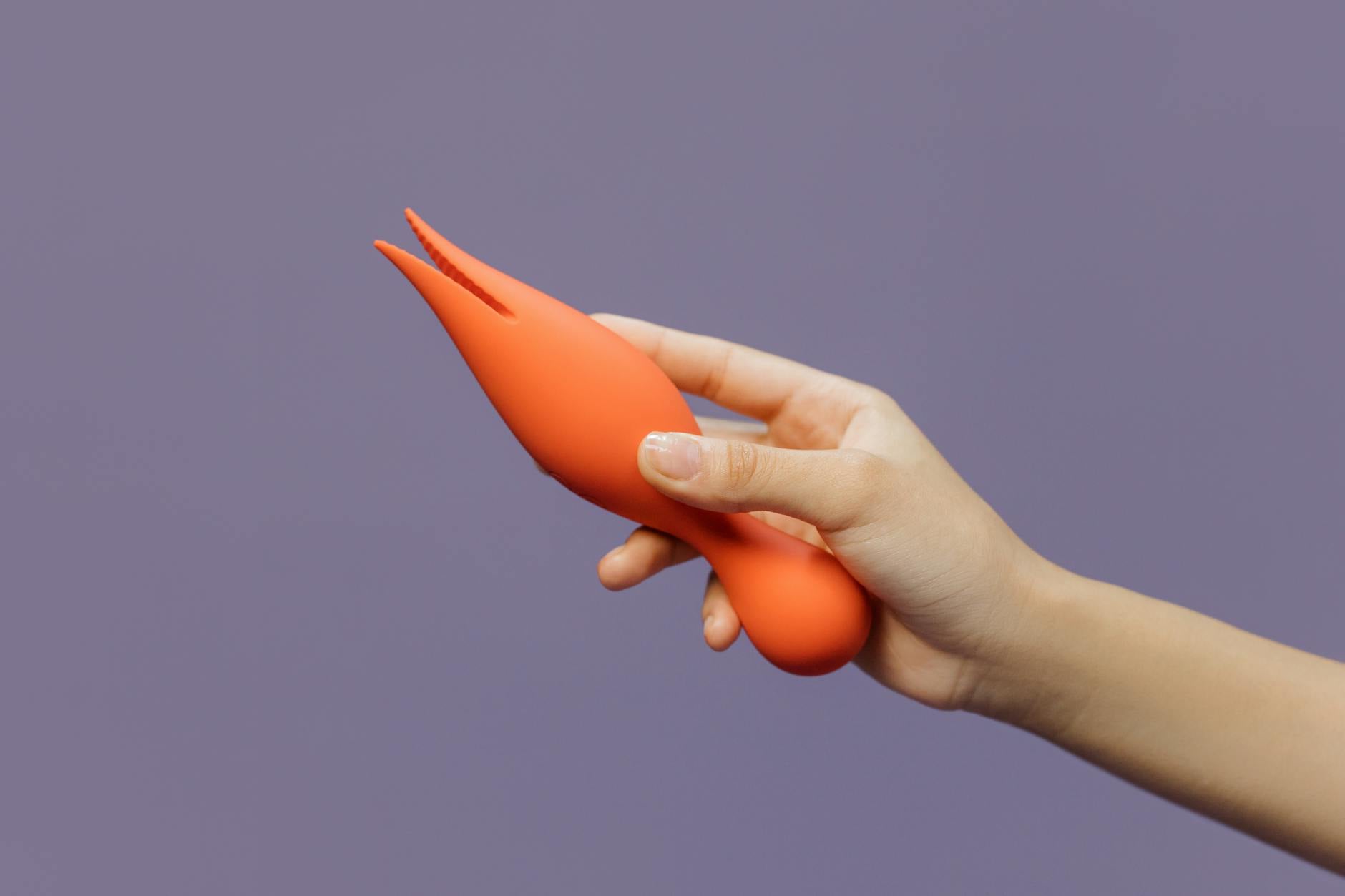
Let's talk about what nobody warns you about when you quit birth control
You stop taking the pill and suddenly the vibrator that felt perfect feels wrong. Or it feels amazing in a way it never did before. Or you need to adjust how you use it entirely. None of this is in your head, and none of it means you're broken. What it means is that hormonal birth control has been quietly reshaping how your body experiences pleasure for years, and now that it's gone, your nervous system is recalibrating.
Here's what's actually happening physiologically, and what clitoral vibrators like lemon suction toys tell us about the transition.
How hormonal birth control changes clitoral sensation
Hormonal birth control does three specific things to your body's capacity for pleasure:
First, it suppresses your natural testosterone production. Yes, people with vulvas produce testosterone. It's a major player in clitoral engorgement and the speed at which arousal builds. Synthetic hormones don't replace this; they suppress it. The moment you quit, your testosterone levels start to normalize, usually within 2-4 weeks.
Second, it thickens cervical mucus and can reduce overall lubrication in the vaginal canal and clitoral tissue. This isn't dangerous or abnormal. It's a direct effect of the hormones. Stop the hormones, and tissue hydration typically improves significantly.
Third, it affects blood flow to the genitals. Clitoral arousal is, at its core, a vascular event. Blood needs to flow into the clitoris to create engorgement and sensitivity. Birth control can subtly reduce this flow. Coming off it allows blood flow to return to its natural baseline, which often means the clitoris becomes more responsive and reactive than it was before.
What changes when you stop
Within a few days to a week, most people notice one or more of these shifts:
Arrousal happens faster. That slow burn that used to take 20 minutes might now happen in 10. You might find yourself getting turned on by things that previously did nothing for you.
Orgasms feel different. They may feel stronger, more localized, or more intense. Some people describe them as sharper after quitting birth control. Others say they feel fuller or more whole-body. Both are normal.
Clitoral sensitivity can spike. This is important. If you've been using a particular vibrator at a certain pattern or intensity for years, you might suddenly find it too strong. This is especially true for <a href="/blog/why-lemon-vibrators-require-more-lubrication-than-traditional-toys">lemon clitoral vibrators and suction toys, which work through pure pressure rather than abrasion</a>. The suction mechanism amplifies sensation. Off birth control, that amplification can feel overwhelming at patterns you used to tolerate easily.
Desire might return. Many people report that their baseline desire, which was muted on birth control, comes roaring back. This isn't always comfortable if you've built your relationship or self-image around lower desire. It requires adjustment.
The transition takes time. Hormone levels don't stabilize overnight. For the first 3 months off birth control, expect fluctuations. Some days you'll feel like yourself again. Other days your body will surprise you. This is completely normal.
Why clitoral vibrators feel different specifically
Traditional vibrators rely on rapid oscillation. Your tissue adapts to vibration frequency over time, especially on hormonal birth control, which dampens nerve sensitivity across the board. This is why people often find they need stronger vibrations or longer sessions on the pill.
When you quit, that neurological sensitivity bounces back. The same vibrator suddenly feels almost too intense because your nervous system is no longer chemically buffered.
Lemon suction toys work differently. They create a seal and gentle pulse that stimulates the clitoris without direct friction. This mechanism doesn't rely on you being "numb enough" to tolerate sustained vibration. Instead, it works with your body's natural vascular response. Off birth control, when blood flow to the clitoris returns to normal, suction toys often feel revelatory. Many people report that switching to a <a href="/blog/why-lemon-suction-toys-work-better-than-traditional-vibrators-for-lazy-orgasms">lemon suction toy during the post-birth-control transition</a> helps them rediscover pleasure without the overwhelming intensity of traditional vibration.
The adjustment phase and what actually helps
If your old go-to vibrator suddenly feels too strong, you have options. You're not suddenly broken. Your body is recalibrating.
Start at lower intensity settings. If you were using pattern 5 on a vibrator, try starting at pattern 2 and work up. Your body will tell you what it needs.
Take breaks between sessions. Off birth control, many people find that their body needs less time to achieve orgasm but also less recovery time between sessions. This is exciting, but it's also a signal to pace yourself. Your nervous system is in a heightened state.
Increase lubrication. Even though natural lubrication typically improves off birth control, adding extra water-based lubricant gives you more control over sensation intensity. A slicker surface means less friction and pressure, which can make vibration feel less intense.
Consider a different toy mechanism entirely. This is where lemon clitoral vibrators shine. If vibration suddenly feels too harsh, suction feels different. It's gentler, more rhythmic, and works beautifully with your body's returning blood flow. The sensation is less about intensity and more about pressure and release, which many people find more aligned with how their body actually wants to be touched after quitting hormones.
Why the first three months matter
Your hormones don't stabilize all at once. Your body is still cycling through readjustment. One week you might feel like your arousal is back to normal. The next week it might dip. This isn't failure or backsliding. It's your endocrine system doing its job.
During this window, it's worth being curious rather than frustrated. Pay attention to how toys feel at different times of your cycle. Notice when arousal comes easily and when it takes longer. Track patterns for three months, then revisit.
Many people also find that their masturbation preferences shift. You might prefer a different toy entirely post-birth-control. Or you might use the same toy but in a completely different way. This flexibility is actually a gift. It means your body is giving you clearer feedback about what it actually wants.
When to check in with a healthcare provider
Most people experience some sensation shift coming off birth control, and it normalizes within a few months. But a few things warrant a conversation with your GP:
If you experience pain or burning during arousal or with a toy you've used comfortably for years, get checked for infection or tissue inflammation. Coming off birth control shouldn't cause pain.
If your clitoral sensitivity becomes so heightened that you can't tolerate any stimulation at all, that's worth investigating. It could signal nerve irritation or hormonal imbalance that a clinician should assess.
If desire disappeared entirely and hasn't returned after three months, mention it. Sometimes the shift off birth control reveals an underlying low-testosterone issue or other hormonal pattern that benefits from testing.
Most of the time, though, the adjustment is simply your body remembering what sensation actually feels like. And for many people, that reunion with their own pleasure is one of the best reasons to quit.
FAQ
How long does it take for clitoral sensitivity to stabilize after stopping birth control?
Most people notice the biggest shifts within 2-4 weeks, with full hormonal recalibration happening over 3 months. That said, your cycle and sensitivity will continue to fluctuate month to month, which is actually healthy. You're no longer on a flattened hormonal plane; you're cycling naturally again. If you're tracking sensitivity, expect variation and rhythm rather than a single stable baseline.
Can I use the same vibrator after quitting birth control?
Yes, but you might need to adjust how you use it. If it suddenly feels too intense, try lower settings, shorter sessions, or more lubrication. Many people find they need to dial it back for a few months while their body recalibrates. Some people switch to lemon clitoral vibrators during this transition because suction feels less overwhelming than vibration. There's no rule; it's what your body tells you.
Why does my clitoris feel numb at some times and hypersensitive at others?
That's your natural hormonal cycle. Off birth control, your hormones fluctuate monthly. Estrogen and testosterone rise and fall in predictable patterns. Sensitivity tends to peak around ovulation (when hormones are higher) and can dip slightly after your period. This variation is completely normal and actually a sign your endocrine system is working properly.
Is it normal for orgasms to feel completely different after quitting birth control?
Completely normal. Birth control has been chemically modulating your nervous system. When that chemical modulation stops, your orgasmic response often shifts. Some people report stronger contractions, others report different locations of sensation, and some experience longer or shorter orgasms. None of these are better or worse; they're just your body's actual wiring, unmedicated.
Should I switch to a different toy after coming off birth control?
Not necessarily, but many people find it helpful during the transition. If your current toy suddenly feels too intense, trying a <a href="/blog/how-lemon-vibrators-improve-arousal-after-depression-remission">clitoral vibrator with a different mechanism</a> like suction can feel revelatory. Lemon vibrators, for example, offer a gentler, more pressure-based sensation that many people prefer as their body recalibrates. Experiment and see what feels good now, not what worked on birth control.
Can birth control withdrawal affect arousal for months?
In rare cases, yes. Most people's baseline desire returns within 2-3 months. But if you quit birth control while dealing with relationship stress, health issues, or depression, those factors can delay your sense of return to normal. Likewise, some people with a history of low testosterone find that their post-birth-control baseline is higher but still not as high as they'd like. If low desire persists beyond three months, it's worth discussing with a healthcare provider.
Coming off birth control is a body reset you deserve to understand
Hormonal birth control is effective and often necessary, but it reshapes pleasure in ways nobody explains. The moment you quit, your nervous system begins a gradual return to your unmedicated baseline. That process is profound, sometimes uncomfortable, and often more pleasurable than you might expect.
Your clitoris remembers how to work without chemical suppression. Your arousal rebuilds. Your sensation returns. And the vibrators and toys that felt perfect on birth control? They might need recalibration. That's not a step backward. It's your body waking up.
If you want personalized guidance through this transition or have questions about what you're experiencing, reach out. We're here to help you navigate your pleasure on your own terms.