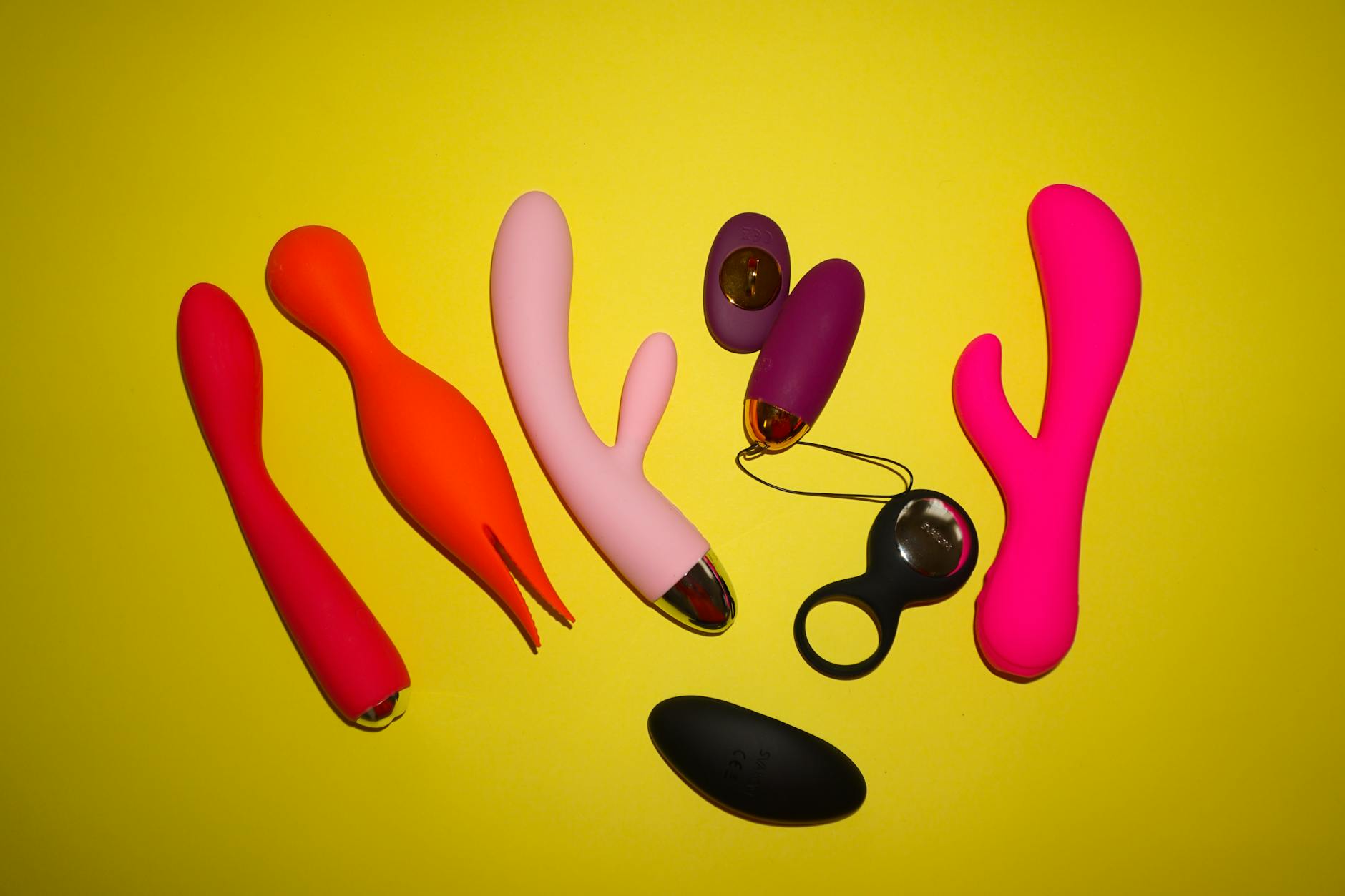
Why Lemon Vibrators Feel Different After Starting Birth Control
You started the pill (or the patch, or the ring). A few weeks in, you noticed something off. Your favorite vibrator doesn't hit the same. Arousal takes longer to build. The sensations feel muted, almost like you're touching yourself through a layer of gauze.
This isn't in your head. Hormonal birth control rewires how your nervous system responds to touch.
What hormonal contraception actually does to sensation
Birth control suppresses your natural estrogen and testosterone fluctuations. This is literally the point of the medication. But your body didn't evolve to have flat hormone levels year-round. Steady-state hormones mean steady-state arousal. And steady often feels like less.
Here's the physiology. Estrogen affects tissue thickness, blood flow to the genitals, and how quickly arousal builds. Testosterone drives desire itself. When you're on hormonal contraception, both hormones exist at lower, more stable levels than they did before. Some people adapt beautifully. Others notice their clitoral vibrators suddenly feel less intense, or arousal takes an extra 10 minutes to kick in.
The suction toys like the Lem handle this shift better than traditional vibrators do. Why? Because suction works with your nervous system differently. Instead of relying on vibration intensity or frequency, suction toys stimulate a broader tissue area and engage different nerve pathways. When hormone-related sensitivity drops, that broader stimulation pattern becomes an advantage.
The specific changes you might feel
Different people report different experiences. Here are the patterns I hear most often.
Slower arousal. This is the most common one. It's not that you can't get aroused. It's that the ramp-up takes longer. You used to hit peak sensation in 5 minutes. Now it's 15. That's usually not a problem once you budget the time. The orgasms themselves tend to be just as strong, just later to arrive.
Reduced intensity during the stimulation. Some people describe lemon vibrators as feeling less "grabby" after starting contraception. The clitoral area might feel less sensitive to direct vibration. Again, this is especially common with traditional vibrators. Clitoral vibrators that rely on pure speed feel less dramatic. Suction-based lemon toys adapt better because suction doesn't depend on the same sensitivity thresholds.
Flattened pleasure peaks. Hormonal fluctuations used to create natural peaks and valleys in your arousal capacity. On stable hormones, you lose those peaks. Orgasms feel less explosive, more like a plateau. This typically normalizes within 2-3 months as your body recalibrates, but the first 6-8 weeks can feel weirdly muted.
Changed lubrication. This is often overlooked. Estrogen affects how much natural lubrication you produce. Lower estrogen, less lubrication. Not none, just less. This matters more for insertion toys than for clitoral vibrators, but it also affects how suction toys feel. Drier tissue means slightly different sensation.
Why lemon suction toys adapt better to birth control changes
I'm not just saying this because we make them. It's observable. Here's why it matters physiologically.
Traditional vibrators work through frequency and intensity. They need decent tissue sensitivity to register strongly. When hormonal birth control dulls sensitivity, traditional vibrators feel less effective. You tend to crank them higher or use them longer. Some people find they stop enjoying them altogether and assume it's permanent.
Lemon vibrators use suction. This is a different stimulus. Instead of vibration alone, suction creates negative pressure. It draws tissue into the toy and stimulates a wider area of nerve endings at once. That broader stimulation pattern doesn't depend as heavily on peak sensitivity. Even if individual nerve endings are less responsive due to lower hormones, the overall suction effect still registers strongly.
Translation: if you start birth control and your vibrator feels meh, a lemon clitoral vibrator often feels noticeably better. Not because you're broken. Because the toy type is better matched to how your nervous system is currently wired.
The timeline of adjustment
Your body doesn't adapt overnight.
Weeks 1-2. Most people don't notice much yet. Hormones are still fluctuating as your body processes the medication.
Weeks 3-8. This is when sensitivity changes show up hardest. Pleasure feels dullest around week 6. This is temporary. Your nervous system is recalibrating to new baseline hormone levels. Don't assume this is permanent or that birth control isn't right for you. It usually smooths out.
Weeks 9-12. Most people start feeling closer to "normal" again, but normal is different. You're now operating on lower, stable hormones instead of cycling ones. Arousal might be flatter overall, but it's also more predictable. Some people prefer this. Others miss the peaks.
Months 4+. Sensitivity usually stabilizes. If you're still feeling significantly muted at month 4, it's worth mentioning to your doctor. Some people genuinely don't do well on certain formulations. That's not a failure. It's information.
What actually helps during the adjustment
Three practical things:
Switch to a lemon suction toy if you haven't already. If you're using a traditional clitoral vibrator and birth control has dulled it, try suction. It's not a magic fix, but it's often the single biggest shift people make. The broader stimulation pattern tends to feel more satisfying when hormones are flat.
Use plenty of lubricant. Even if you're naturally lubricated, adding extra water-based lube helps. Birth control typically reduces natural lubrication slightly, and lube fills that gap instantly. It also makes every type of stimulation feel richer. This alone can make a huge difference.
Build in more warm-up time. You're not broken if arousal is slower. Budget 15-20 minutes instead of 5. Use that time to let your body wake up. Read something hot. Touch yourself without the toy first. Build anticipation. This isn't a workaround. It's just how your nervous system works now.
When to check in with your doctor
If sensation changes are bothering you after 3 months, mention it. You have options.
Some people do better on different formulations. The dosage of hormones varies wildly between pills, patches, and rings. A lower-dose pill might feel better than what you're on. Some people switch from combined hormonal methods (which contain estrogen) to progestin-only options like the mini pill, and sensation shifts again.
Don't assume your sex life is compromised forever just because the first few months of a new contraceptive felt weird. Bodies adapt. Methods vary. Toys can be swapped. You have more control here than you think.
The longer conversation
What I notice with clients is that birth control sensitivity changes sometimes get tangled up with other stuff. Maybe your libido dropped for reasons unrelated to the pill. Maybe the relationship shifted. Maybe you're stressed. Isolating "it's the hormones" from "everything else going on" is actually hard.
If sensation feels off after starting contraception and it's bothering you, the smartest move is to separate two conversations. One is with your doctor about the method itself. Is this the right formulation for your body? That's a medical question. The other is with yourself (and your partner, if relevant) about pleasure and adaptation. How do you want to engage with touch and intimacy right now? That's a different conversation entirely.
Birth control shouldn't kill your pleasure. But it can change it. Understanding what changed, trying different tools, and giving your body time to recalibrate usually gets you back to where you want to be.
Frequently asked questions
Does every type of birth control affect sensation the same way?
No. Combined hormonal contraceptives (pills, patches, rings with both estrogen and progestin) tend to have the most noticeable effect on arousal and sensation because they suppress both estrogen and testosterone. Progestin-only methods like the mini pill or the implant affect sensation differently. The copper IUD (non-hormonal) doesn't change sensation at all. If hormonal birth control is making a significant difference you don't like, talking to your doctor about trying a different type is completely valid.
Will my pleasure come back to normal if I stop birth control?
Often, yes. Many people notice arousal and sensation shift back toward their baseline within 2-4 weeks of stopping. But "normal" might feel different depending on how long you were on the method and what else has changed in your life. Birth control isn't the only thing that affects pleasure. Age, relationship status, stress, other medications, and physical health all matter too.
Can I use the same vibrator I used before birth control, or do I need something new?
You don't have to buy anything. But if your vibrator feels less effective, swapping to a lemon clitoral vibrator often helps because the stimulation pattern is different. That said, some people adjust great and never feel the difference. Others find their old vibrator works fine after a few months. Try what you have first, and if it's not doing it for you at the 6-week mark, then consider trying something with a different mechanism.
Is it normal that I have no desire at all now, not just reduced sensation?
That's worth flagging to your doctor. Some people experience a real drop in libido on certain contraceptives, not just slower arousal or reduced sensation. It's not laziness. It's hormonal. You deserve a method that doesn't tank your desire. You might need a different formulation, a different type of contraception, or a combination approach (like adding a bit of testosterone, in certain cases). This is a conversation for your GP or gynecologist.
How long should I wait before deciding this contraceptive isn't working for me?
Three months is the standard answer. Your body needs time to fully adjust to new hormones. That said, if you're miserable before the 3-month mark, you don't have to white-knuckle it. Some people know immediately that a method isn't right for them. Others take a few cycles to be sure. Trust yourself, but also give your body genuine time.
Does lube really make that much of a difference if birth control has already affected sensation?
Yes. You're addressing two separate things. Birth control might reduce sensitivity. Lube addresses reduced lubrication and friction. Together, they make a real difference. Even if you don't need lube for comfort, using it anyway often enhances sensation. It's not a workaround. It's a tool.
The bottom line
Birth control changes how your body responds to pleasure. That's not a flaw. It's how hormones work. Understanding what shifted, being patient with your body's recalibration, and experimenting with different tools like lemon clitoral vibrators usually gets you where you want to be. And if a particular contraceptive isn't serving you after a real adjustment period, you have options. Your pleasure matters. Choose what works for your body.
If you're navigating pleasure changes or relationship intimacy questions around contraception, we're here. Reach out and let's talk through it.