Let's talk about what actually happens
You quit hormonal birth control. Your hormones stabilize. And suddenly, everything down there feels different. That's not in your head. Your clitoral sensitivity, arousal speed, lubrication, orgasm intensity, even what kind of stimulation gets you there. It all shifts because your body is adjusting to a completely different hormonal environment.
Here's the thing nobody warns you about clearly. If you've been on hormonal contraception for years, you've never actually had a chance to know what your baseline pleasure response is without it. So when it changes, you might not realize it's a neutral shift. You might think something is broken.
How birth control changes sensation
Hormonal contraceptives suppress ovulation, which means they suppress the hormonal fluctuations that drive the menstrual cycle. Specifically, they lower circulating estrogen and testosterone. Both of these matter for pleasure.
Estrogen affects tissue thickness and blood flow to the genitals. It also influences neurotransmitters that regulate arousal and mood. Testosterone directly drives desire in everyone with a vulva, full stop. When you're on hormonal birth control, your baseline testosterone is lower than it would be naturally.
This means that while on the pill, patch, ring, or implant, you're working with dampened sensation. Your clitoris is less engorged during arousal. Your lubrication comes slower. Your orgasm threshold is higher because the neural and vascular setup is fundamentally different.
When you stop. Those hormones come back. Your body remembers how to cycle again. And suddenly, you're operating with a new (or, more accurately, your original) pleasure baseline.
The first month after you stop
Weird things happen immediately. You might notice increased lubrication out of nowhere. Your nipples might feel more sensitive. You might feel desire kick in at unexpected moments. Some people experience stronger orgasms right away. Others find they're more sensitive to touch in ways that feel almost too intense.
This is all normal. Your brain and nervous system are recalibrating to hormonal signals they haven't felt in years. If you've been on birth control since your late teens, your body might be experiencing heightened pleasure response for the first time ever.
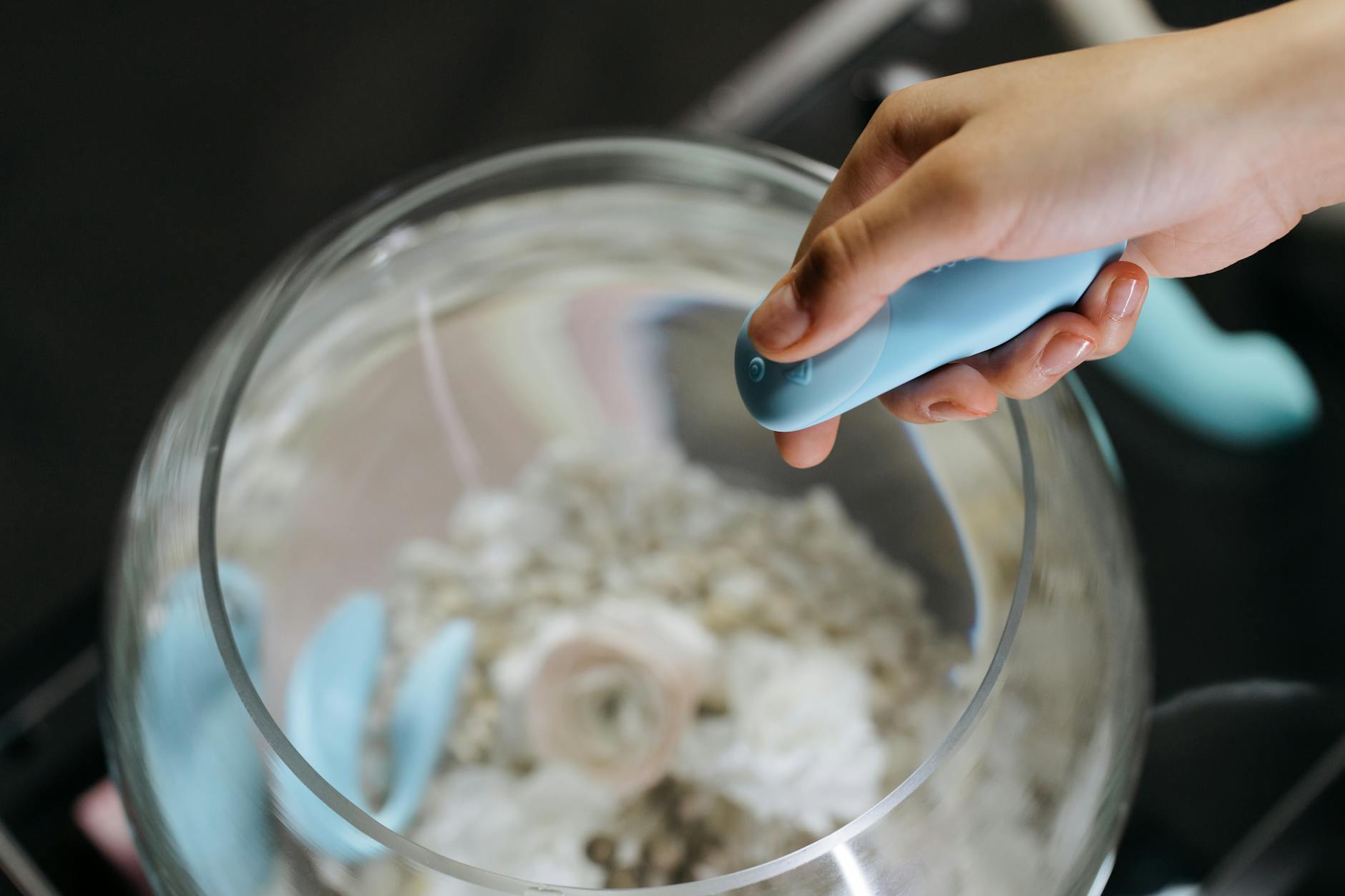
With a lemon clitoral vibrator like the Lem, you might find that settings you used while on birth control feel suddenly too strong. Or that patterns you found boring now deliver. The suction mechanism is particularly responsive to increased blood flow and tissue engorgement, so as your circulation normalizes post-contraception, the sensation shifts noticeably.
What changes most people notice
Your arousal ramps faster. After months or years of needing long warm-up time, you might find your body responds to stimulation in minutes instead of fifteen. This is the testosterone effect. You literally have more of it now.
Your orgasms might feel different in texture. Less of a gentle wave, more of a sharp peak. Some people describe post-contraception orgasms as more localized, more clitoral. Others say they feel fuller throughout the pelvic floor. The variation depends on your individual neurophysiology, but the shift is real.
Your lubrication increases. This one surprises people who expected the opposite. On birth control, you might have needed lube with every session. Off it, your body produces more naturally. This changes how a lemon vibrator feels. You might need less external lubrication. The sensation becomes less about friction and more about the suction and pulse of the device itself.
Your cycle comes back. If you're cycling again, your pleasure response is no longer flat. It fluctuates. You might notice higher arousal around ovulation, lower desire during the luteal phase. This means the lemon vibrator might feel different on day five of your cycle than day nineteen.
First three months. What to expect
Your hormones are not stable yet. Stopping hormonal contraception doesn't mean they stabilize on day one. It takes two to three full cycles for your body to establish a new rhythm. During that time, you might experience:
Fluctuating sensitivity. One week you're highly responsive. Two weeks later, arousal feels muted. This is your body relearning its natural cycle. Stick with it.
Changing lubrication patterns. Some days you have plenty. Other days you need lube. This normalizes as your cycle settles.
Mood shifts related to pleasure. You might feel hornier, crankier, sadder, or more confident depending on where you are in your cycle. This is oxytocin, serotonin, and progesterone at work. It's real.
Heightened sensation. Many people find their clitoral sensitivity increases noticeably in month two or three. If you're using a lemon vibrator and suddenly settings five and six feel too intense, you're not overreacting. Your sensitivity genuinely increased.
How to adjust your lemon vibrator use
Start lower than you used to. If you were using pattern three or four on birth control, try starting at one or two now. You have more sensation to work with, so you need less intensity to reach the same pleasure.
Pay attention to timing in your cycle. If you're menstruating again, track where your arousal peaks naturally. This is your ovulation window, approximately. You might find that a lemon clitoral vibrator works wildly differently depending on cycle phase. That's expected and normal.
Give yourself grace on lubrication. You might produce more naturally now, but you also might not. Your body's adjustment doesn't follow a neat script. Use water-based lube whenever it feels good, not because you think you should or shouldn't need it.
Experiment with patterns you skipped before. On birth control, you might have ignored patterns that felt too subtle or too intense. Try them again. Your new hormonal baseline might make them perfect.
When sensitivity feels like too much
If heightened sensation after stopping hormonal contraception feels uncomfortable rather than pleasurable, you're not broken. Some people experience temporary hypersensitivity as their hormones rebalance. If that's happening:
Take breaks from the lemon vibrator. Use your hands instead. Let your nervous system recalibrate without added stimulation.
Approach arousal gently. Longer foreplay, more attention to non-genital touch, patience. Your nervous system needs time to learn its new baseline.
Consider cycle syncing. If sensitivity spikes around ovulation, plan most of your pleasure exploration during follicular or luteal phases when sensation feels more manageable.
Talk to your doctor if pain accompanies the sensitivity. Sometimes stopping hormonal contraception unmasks underlying issues like vulvodynia or pelvic floor tension that weren't noticeable before. A pelvic floor physical therapist is worth the investment if that's happening.
The second trimester. Things stabilize
After month three, most people find their new normal. Your cycle is predictable. Your arousal pattern has stabilized. Your lemon vibrator settings feel right again, even if they're different from what worked on birth control.
Some people find they prefer sex more now. Some prefer it less. Some notice no real change in desire, just in sensation and orgasm quality. All of these are normal. The hormonal contraceptive was masking your individual pleasure profile. You're just meeting yourself again.
Worth noting: increased arousal or desire after stopping birth control does not mean your previous low desire was invalid or fake. Hormonal contraception suppresses desire in some people. That suppression was real. The increase now is also real. Both are your body responding to chemistry, not a reflection of your actual preferences or commitment to your relationship.
FAQ: What people actually ask
Will my orgasms stay stronger after I quit birth control?
Likely yes, provided your stress, sleep, and relationship dynamics don't change dramatically. Stronger orgasms after stopping hormonal contraception usually stick around because they're the result of your actual hormonal baseline, not a temporary shift. That said, life stress, medication changes, or relationship shifts can dampen them again. It's not the contraception coming back. It's life.
Should I use a different vibrator now that my sensation changed?
Not necessarily. A lemon clitoral vibrator is actually ideal because the suction mechanism responds beautifully to increased tissue engorgement and blood flow. You might just use it differently. Lower settings, different patterns, or different timing in your cycle. The device doesn't need to change. Your approach does.
How long does the adjustment period last?
Usually two to three months for hormones to stabilize. Some people feel the shift immediately. Some take six weeks to notice. Your cycle might take three to six months to become fully predictable if it was absent for years. Patient observation works better than rushing.
Will I want sex more now?
Maybe. Maybe not. Stopping hormonal contraception increases testosterone, which drives desire. But desire is also shaped by your relationship, stress levels, sleep, and what's happening in your life. Some people notice genuine desire increase. Others don't feel much change. Both are fine.
Does every type of birth control affect sensation the same way?
Pretty much. All hormonal contraceptives suppress ovulation and lower circulating testosterone and estrogen. The pill, patch, ring, implant, and IUS all do this. The non-hormonal IUD doesn't affect your hormones, so stopping it feels different. You won't experience the pleasure shifts described here because your hormones didn't change in the first place.
What if my sensation doesn't improve after stopping birth control?
If three months pass and you're not noticing any shift, a few things to consider. First, low desire or diminished sensation can stem from causes other than hormonal contraception. Relationship issues, depression, anxiety, medication side effects, or just life stress can mask hormonal changes. Second, some people genuinely don't experience a dramatic shift in pleasure response when stopping contraception. That's okay. You're not broken. You're just you. If you're concerned, a conversation with a gynecologist who specializes in sexual health is worth the visit.
The takeaway
Stopping hormonal contraception is a body reset. Your pleasure baseline changes. That's not good or bad. It's information. A lemon vibrator works beautifully during that transition because it's responsive to your body's new reality. You're not adapting a tool. You're discovering what your actual pleasure profile looks like when hormones aren't chemically suppressed. Give yourself time to explore it. You might surprise yourself.