
Here's what nobody tells you about intimacy after a fight
You and your partner have finally made up. The words happened. Maybe there was an apology, maybe not, but the acute anger has passed. And now you're thinking about sex again, and it feels completely different. Your body is hesitant. Sensation feels muted. Arousal takes forever, or doesn't show up at all. You're not broken. You're nervous.
After relational conflict, your nervous system stays in a protective state long after your conscious mind has moved on. This isn't weakness. It's your body being smart about safety.
What happens in your nervous system during and after conflict
When conflict erupts, your body triggers a threat response. Your sympathetic nervous system activates (that's fight, flight, freeze). Blood flows away from your genitals and toward your limbs and brain. Cortisol and adrenaline spike. Your pelvic floor tightens. This is all automatic. Your brain doesn't ask permission.
Even after the argument ends and you've both said "I love you," your nervous system doesn't instantly flip off. It's still scanning. It's still asking: is it safe to relax? Is it safe to open? Especially around the genitals, which feel deeply vulnerable.
This is why sex after a fight can feel hollow or impossible. Your body isn't lying to you. It's telling you the truth: it doesn't feel totally safe yet.
Why sensation actually feels different (it's not your imagination)
There are three concrete physical shifts happening:
The pelvic floor stays contracted. Even without conscious effort, the muscles around your vulva and vagina stay slightly tense. This reduces blood flow to the clitoris and makes stimulation feel less intense. You might need more pressure or longer duration to feel anything at all.
Arousal takes longer. Your vagina produces less lubrication because parasympathetic activation (the relaxed state) is lower. Your clitoral tissue doesn't swell as quickly. What normally takes five minutes now takes fifteen or twenty.
The clitoris feels numb or distant. You might touch yourself and feel almost nothing. This isn't anhedonia (a symptom of depression). It's protective numbness. Your nervous system has dimmed the volume on pleasure signals as a way of saying: not yet.
Why lemon vibrators help you come back online faster
Here's the thing about air-suction technology that makes it different from traditional vibration. Instead of direct friction or buzzing, a lemon clitoral vibrator uses gentle pulsing air waves to stimulate the clitoris without requiring a relaxed pelvic floor to feel good.
You can be holding tension and still feel a lemon vibrator working. The sensation bypasses the need for deep relaxation. This matters because it gives your nervous system permission to start responding before it's 100 percent ready to surrender.
In other words: a lemon clitoral vibrator lets your body begin rebuilding trust with pleasure in small, measured doses.
Many of my clients report that returning to solo pleasure with a lemon vibrator feels safer than partnered sex after conflict. There's no performance pressure. No one's watching. No one's feelings are on the line. You're just reintroducing your own body to sensation, at your own pace.
The practice that actually works
If you want to rebuild arousal after relational tension, here's the structure I recommend:
Session one: observation only. Use your lemon vibrator on the lowest setting for 2-3 minutes. Don't chase an orgasm. Just notice what you feel. Can you feel anything? Where is the sensation strongest? This is data gathering, not performance.
Session two: extend duration. Go for 5-8 minutes. You might start to feel some warmth or building sensation. Your pelvic floor might start to soften. This is your nervous system saying: okay, maybe it's a little safer.
Session three: add intention. This is where you might notice a shift. Your body starts responding. Blood is flowing. The clitoris is becoming more sensitive. Arousal is actually building.
Session four and beyond: reconnect with pleasure as communication. Once your solo practice feels good again, you have a choice. You can invite your partner into this sensation (with clear consent and communication), or you can keep this space for yourself. Either choice is valid.
The lemon clitoral vibrator is the tool because it requires so little from you neurologically. You don't have to be relaxed. You don't have to be fully aroused. You just have to be willing to feel something.
The conversation you need to have with your partner
Here's where many couples get stuck. One partner is ready for sex, the other isn't, and nobody names what's actually happening. The one who's ready thinks the other is punishing them or withholding. The one who needs time thinks they're broken.
Instead, try saying something like this:
"I need a little time for my nervous system to reset. That doesn't mean I don't love you or want you. It means my body is still in protection mode, and I need to rebuild trust with my own pleasure first. Give me a few days to use my tools alone, and then we can come back together."
That's honest. It's not blaming. It explains the actual neurobiology without making it weird.
If your partner can hear that as information instead of rejection, you've solved half the problem. The other half is using solo practice with a lemon vibrator to genuinely rebuild sensation so that when you do come back together, you're not forcing it.
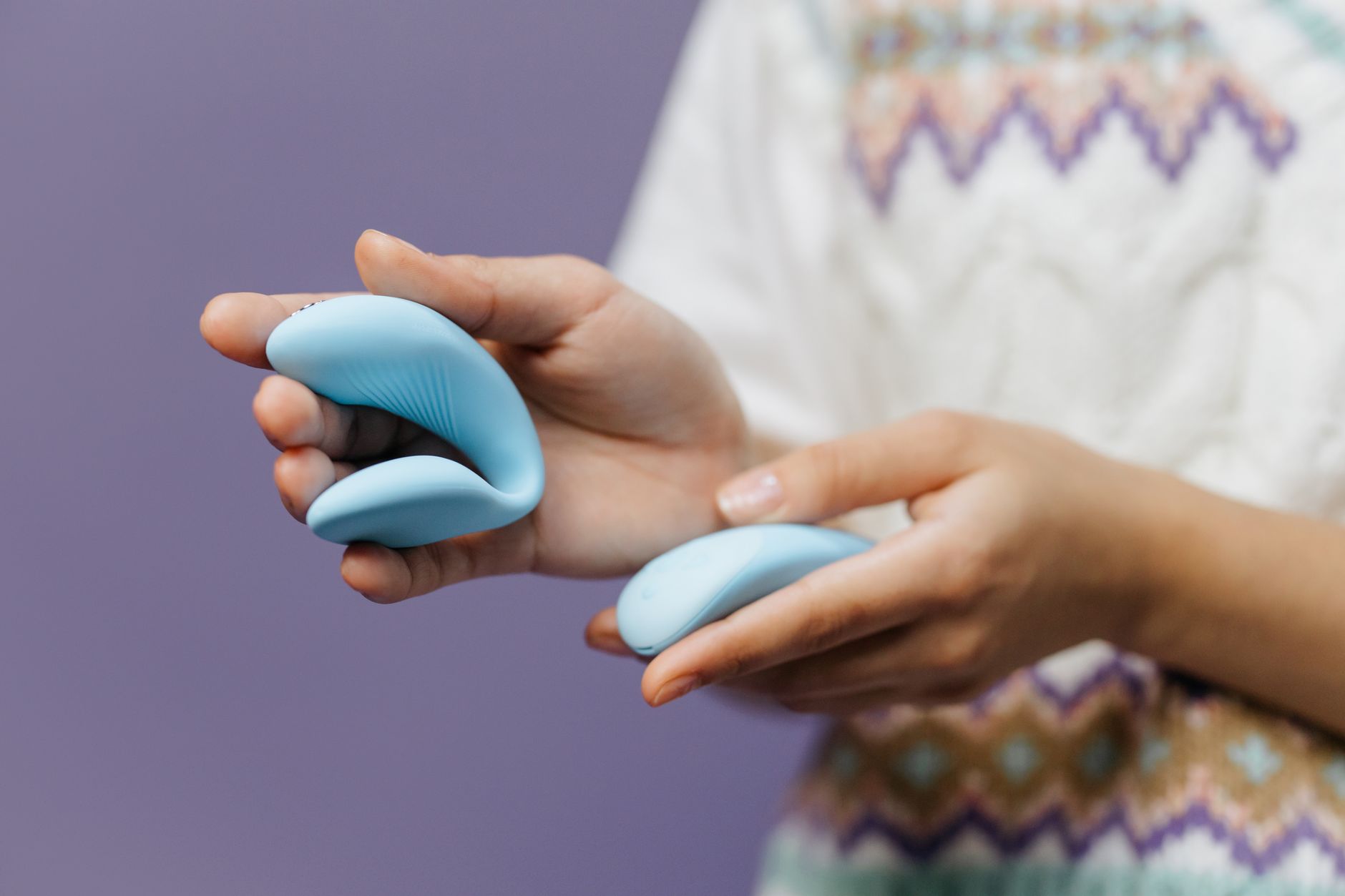
Photo by cottonbro studio on Pexels
When this becomes something bigger
If you're noticing that arousal struggles happen after almost every conflict, or that tension builds for weeks, this might be a signal that something deeper needs attention. Maybe the conflicts aren't being resolved. Maybe there's a pattern of hurt that needs professional support to untangle.
This isn't a criticism. It's an invitation to consider whether a couples therapist or relationship coach could help you both resolve conflict more completely, so that your nervous systems don't stay activated for days.
A lemon vibrator is an excellent tool for rebuilding arousal after conflict. It's not a substitute for actually addressing what caused the conflict in the first place.
The reset happens slowly
You're not going to feel like yourself sexually for three to five days after serious conflict. Your nervous system needs time. Your pelvic floor needs permission to soften. Your trust needs to be gradually rebuilt through small, repeated moments of safety.
Using a lemon clitoral vibrator is one way to create those moments. Solo practice tells your body: this is a safe place to feel good. You matter. Your pleasure is important. And then, when you're ready, you invite your partner back in.
That's how you rebuild intimacy that actually feels good. Not by forcing sex before you're ready. Not by pretending the conflict didn't happen. But by giving your nervous system the time and tools it needs to come back online.
People also ask
How long does it take to feel normal sexually after a big argument?
It depends on the severity of the conflict and your nervous system's baseline activation level. For most people, 3-5 days of consistent solo practice with something like a lemon vibrator helps sensation come back online. If it's been two weeks and arousal still feels impossible, that's worth mentioning to a therapist.
Can I use a vibrator with my partner right after we've fought?
Technically yes, but usually no. If your nervous system is still in protection mode, partnered stimulation (even with toys) can feel pressured or unsafe. Solo practice first gives you a sense of what's possible in your own body. Then you're bringing that knowledge back to your partner, not asking them to rescue you from numbness.
Why do lemon vibrators feel different than other toys after conflict?
Air-suction stimulation (like a lemon clitoral vibrator) doesn't require deep pelvic floor relaxation to feel good. Traditional vibrators need more baseline arousal and relaxation. After conflict, when your pelvic floor is still contracted, a lemon vibrator gives you sensation without forcing relaxation first.
Is it normal to feel nothing when I touch myself after a fight?
Completely normal. Your nervous system is doing its job by dimming pleasure signals. You're not broken or unresponsive. You're protected. Give it time, use a lemon vibrator on low settings, and let sensation rebuild gradually. Forcing intensity usually backfires.
Should I tell my partner I'm using a vibrator to reset after conflict?
That's between you and your relationship agreements. Some couples share everything. Some don't. What matters is that you're not hiding it from shame, and you're also not using solo practice as a way to avoid reconnecting with your partner. If it's coming from a place of genuine nervous system regulation, there's nothing to hide.
How do I know when I'm ready for sex again after conflict?
Your body will tell you. After a few days of solo practice, if you're noticing that arousal is building more easily, your pelvic floor is softening, and pleasure is actually enjoyable again, you're ready to check in with your partner. That's the signal. Not willpower. Not obligation. Actual sensation returning.