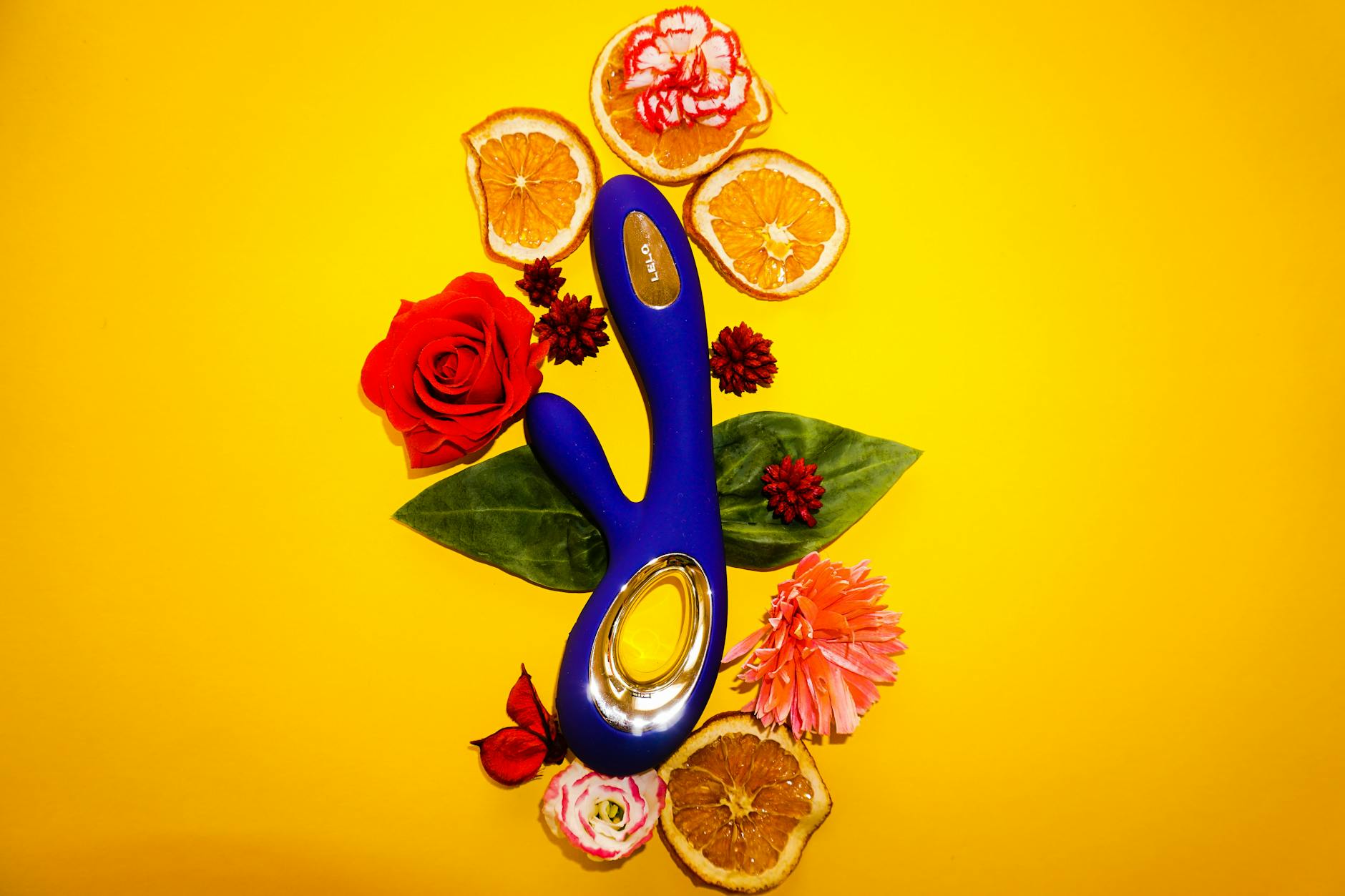
The sensation shift nobody warns you about
Honestly, nobody tells you that pleasure changes after 45. Not in a bad way. Just differently. Your nerve endings don't vanish. Your clitoris doesn't lose its function. But the intensity, the speed, the angle that makes you go absolutely wild? That shifts. And once you understand what's happening, you can actually build a sex life that's more satisfying than your twenties.
The thing is, most people assume sensation loss equals broken equipment. It doesn't. It means your body has changed, and the tools that worked before might not be the right fit anymore. That's where lemon vibrators come in. Their unique suction and pressure design works differently than traditional vibrators, and for women over 45, that difference is often the thing that changes everything.
What actually happens to nerve response after 45
Your skin thins slightly. Your body produces less estrogen, which affects collagen and elasticity everywhere. That includes the delicate tissue of your vulva. Less estrogen also means reduced blood flow to genital tissue, which means it takes longer to fully engorge when you're aroused. Your clitoral nerve density doesn't change, but the tissue around it becomes more sensitive to certain types of stimulation and less responsive to others.
This is why vibration alone sometimes feels flat. Your nerves are still there, firing brilliantly. But they're responding to pressure and suction differently than they did at 35. Most traditional vibrators rely on simple buzz frequency. They're blunt instruments. Lemon clitoral vibrators work on an entirely different principle. They use gentle suction waves combined with subtle micro-patterns, which stimulates nerve clusters without requiring the kind of aggressive friction that can actually hurt after 45.
Why suction beats pure vibration for this stage
Here's the actual physiology. After 45, your clitoris is still as nerve-rich as it ever was. About 8,000 nerve endings concentrated in a space the size of a pea. But the tissue housing those nerves becomes more delicate. You need stimulation that's precise and pressure-based rather than rapid-fire vibration.
A lemon vibrator works by creating gentle waves of suction that pull on the clitoral tissue, then release. This rhythm does something that straight vibration can't: it engages multiple nerve pathways at once. You get sustained pressure (which activates deep nerve clusters) combined with pulsing release (which keeps the nerves from adapting and becoming numb). It's the difference between someone shaking your shoulder and someone rhythmically squeezing it. Both use motion, but the sensation is completely different.
Most women over 45 report that this type of stimulation builds arousal more slowly but reaches deeper, more full-body orgasms. The buildup time isn't a limitation. It's actually an advantage if you have a partner, because it gives you time to connect, to breathe, to feel what's happening.
Warm-up time actually changes your life
Here's something that surprised me when I started working with women in this age group. They thought their bodies were broken because arousal took 20 minutes instead of five. Turns out, that slower buildup is a feature, not a bug.
When you're over 45, your body isn't less interested in sex. It's just showing up differently. Your brain takes longer to shift into arousal mode. Your vulva takes longer to swell and lubricate. But when you work with that timeline instead of fighting it, something remarkable happens. The arousal you build is more robust. Your orgasms are more full-body. You're more present instead of rushing toward a finish line.
Lemon clitoral vibrators are particularly good for this because they don't require you to "get there fast." Their design encourages a slow build. Start on the gentler settings and gradually increase intensity. Your body warms up, nerve sensitivity increases with blood flow, and by the time you're at a higher setting, your tissue has adapted and the sensation feels exquisite instead of overwhelming.
Lubrication becomes strategic, not supplementary
After 45, lubrication is no longer optional. This isn't a flaw in your design. It's a signal that your body needs something different. And using a water-based lubricant with a lemon vibrator is actually transformative in ways most people don't expect.
The lube serves two jobs here. First, it protects thinner tissue from any friction. Second, it creates a smoother surface for the suction action, which means you feel the pressure waves more clearly without any uncomfortable dragging sensation. You're not adding lube because something's wrong. You're adding it because it makes the sensation sharper and more pleasurable.
I recommend applying a small amount directly to the head of your clitoris and letting the vibrator's gentle suction distribute it as you use it. This keeps you in control and means you're not oversaturating the area, which can sometimes dull sensation.
The mental shift that changes everything
Here's where relationship dynamics matter. Most women over 45 have spent two decades performing pleasure on somebody else's timeline. Your partner wants to finish. You want to finish fast so they know you're enjoying it. You've learned to fake arousal or speed through to the end.
What happens after 45, if you let it, is permission. Not because your body is older, but because the stakes change. You might not care as much what your partner thinks. You might be single and exploring for the first time without performance anxiety. Or you might be with a long-term partner who finally, finally gets it that your pleasure matters as much as theirs.
Lemon vibrators are brilliant for this mental shift because they slow you down. You can't rush them. They don't deliver instant gratification. They ask you to sit with the sensation, to pay attention, to notice. And that attention, that presence, is actually where the best pleasure lives.
Sensation mapping helps you find your new sweet spot
Your body after 45 is basically a slightly redrawn map. Some areas that used to feel amazing now feel too intense. Other areas that barely registered before suddenly light up. The best thing you can do is actually spend time exploring.
Try your lemon vibrator on different patterns and intensity levels without a goal attached. Not "trying to orgasm," just exploring. Notice which patterns make you hold your breath. Which ones make your legs shake. Which ones build slowly versus which ones plateau. This isn't work. This is actually play, and it's how you learn your body's new language.
Many women over 45 find that they have more satisfying orgasms when they're touching other parts of their body at the same time. Your breasts, your inner thighs, your stomach. The sensation from a lemon vibrator combined with gentle touch elsewhere can create a coordination of nerve firing that's actually more intense than either sensation alone.
When to check in with a healthcare provider
If you're experiencing persistent dryness, pain during arousal, or complete loss of sensation despite trying different approaches, it's worth talking to a doctor who specializes in sexual health or menopause. Genitourinary syndrome can be addressed with topical treatments. Low testosterone can be tested and treated. But these are conversations worth having with someone who actually understands that sexuality matters at 45 and beyond.
The gap between "your body still works" and actually using tools that fit your current reality is where most women get stuck. A quick conversation with a healthcare provider can help rule out anything that needs medical attention, so you can confidently explore what works for you now.
How partner play shifts with better sensation
If you have a partner, introducing lemon vibrators can actually deepen intimacy in unexpected ways. Your partner gets to watch you feel good. They get to participate in something that requires presence and attention instead of speed. You get to ask for what you need without shame because you're both working with facts about your body, not myths.
Many couples find that using a lemon vibrator together actually improves communication. You're literally showing your partner what makes you feel good. That same knowledge translates into other parts of your intimate life. You both learn that pleasure after 45 is actually more nuanced, more interesting, and yes, often more satisfying than it was before.
The long game of pleasure over 45
You've got probably three to four decades of sexual life ahead of you. That's not a final chapter. That's the whole second half of the book. And it can be richer, more intentional, and honestly more satisfying than the first half if you're willing to work with your body as it actually is instead of mourning what it used to be.
Lemon vibrators are one tool that happens to work brilliantly for this stage of life. They're not a fix for a broken body. They're recognition that your body is different now, and that difference can be genuinely pleasurable if you meet it with curiosity instead of disappointment.
People also ask
Do lemon clitoral vibrators work better than traditional vibrators for women over 45?
Yes, often significantly better. Traditional vibrators rely on rapid vibration patterns, which can feel numbing or overstimulating as tissue becomes more delicate after 45. Lemon vibrators use suction and pressure waves instead, which engages nerve endings differently and creates more sustained, building arousal. Most women over 45 report deeper, longer-lasting orgasms with suction-based design compared to straight vibration.
How much does sensation actually change after 45?
It varies widely. Some women notice immediate changes, others experience a gradual shift over several years. You might need more warm-up time, respond better to different patterns, or find that you need consistent lubrication. None of this means your body is broken. It means your body has evolved, and your approach to pleasure needs to evolve with it. Many women report that once they accept this shift, their sex lives actually improve significantly.
Is it normal to need more time to get aroused after 45?
Completely normal. Estrogen and blood flow patterns change, and your nervous system processes arousal differently. Instead of viewing this as a problem, it's worth seeing it as an opportunity to be more present and intentional. Women who embrace longer arousal periods often report deeper connections with partners and more satisfying orgasms overall. The slowness isn't a limitation. It's actually an advantage.
Can you use a lemon vibrator if you're on hormone replacement therapy?
Absolutely. HRT can actually help tissue health and sensation, which means you might find lemon vibrators even more responsive. If you're using HRT, you have more options for managing tissue changes. Talk with your healthcare provider about how HRT is affecting your sexual health, and then explore tools like lemon vibrators alongside medical support.
What intensity level should you start with if you're over 45 and new to lemon vibrators?
Start on the lowest setting, always. Your tissue is more sensitive, and you want time to understand how the suction sensation feels before you increase pressure. Many women over 45 find that they prefer mid-range settings rather than maximum intensity. The goal isn't to go as strong as possible. It's to find the setting that builds the most satisfying arousal and orgasms for your body.
Do you absolutely need lubricant with a lemon vibrator if you're over 45?
Strongly recommended, yes. Thinner tissue benefits significantly from lubrication, and lube creates a smoother surface that actually makes the suction sensation clearer and more pleasurable. You're not adding it because something is wrong. You're adding it because it optimizes the experience. Water-based lubricants work best with silicone toys and are easy to reapply as needed.
If you're over 45 and haven't experienced the shift toward lemon clitoral vibrators yet, this might be the moment. Your body isn't broken. It's evolved. And there are tools designed specifically for how your body works now. Want to explore what else might be worth trying? Get in touch with any questions about finding your fit.
If you're navigating these changes within a relationship, how partners can reconnect after becoming parents covers some of the deeper conversations that matter alongside physical pleasure. Or if you're interested in understanding how sensation changes after major life events, that piece digs into the emotional side of the equation.