
Here's what most couples get wrong about using toys together
You think combining devices means more stimulation equals more pleasure. It doesn't always work that way. Often what happens is sensory overload, competing rhythms, and someone ending up frustrated because the timing was off or the intensity clashed. I've heard from countless couples who bought matching vibrators or picked up a partner toy with the best intentions and ended up putting both devices in a drawer because the coordination felt awkward.
The truth is that combining lemon vibrators with a partner's toy is genuinely a skill. It requires communication before you start, attunement during, and willingness to adjust on the fly. But when it clicks, it transforms the experience.
Why lemon clitoral vibrators work so well in partnered play
Lemon vibrators use air-suction technology, which means they're adding sensation without direct pressure. This is a completely different sensation than most partner toys offer. Your partner might be using a traditional vibrator or a penetrative device. The lem vibrator, because of its unique stimulation profile, doesn't compete with those devices—it complements them.
The air-suction pattern also gives you more control. You can pause, shift position, or change intensity without disrupting your partner's rhythm. Contrast that with a traditional vibrator where if both partners are using them, you're managing two separate rhythms that have to somehow sync up. With a lemon clitoral vibrator paired with another type of toy, you're layering two different kinds of sensation, which feels richer and less like competing for attention.
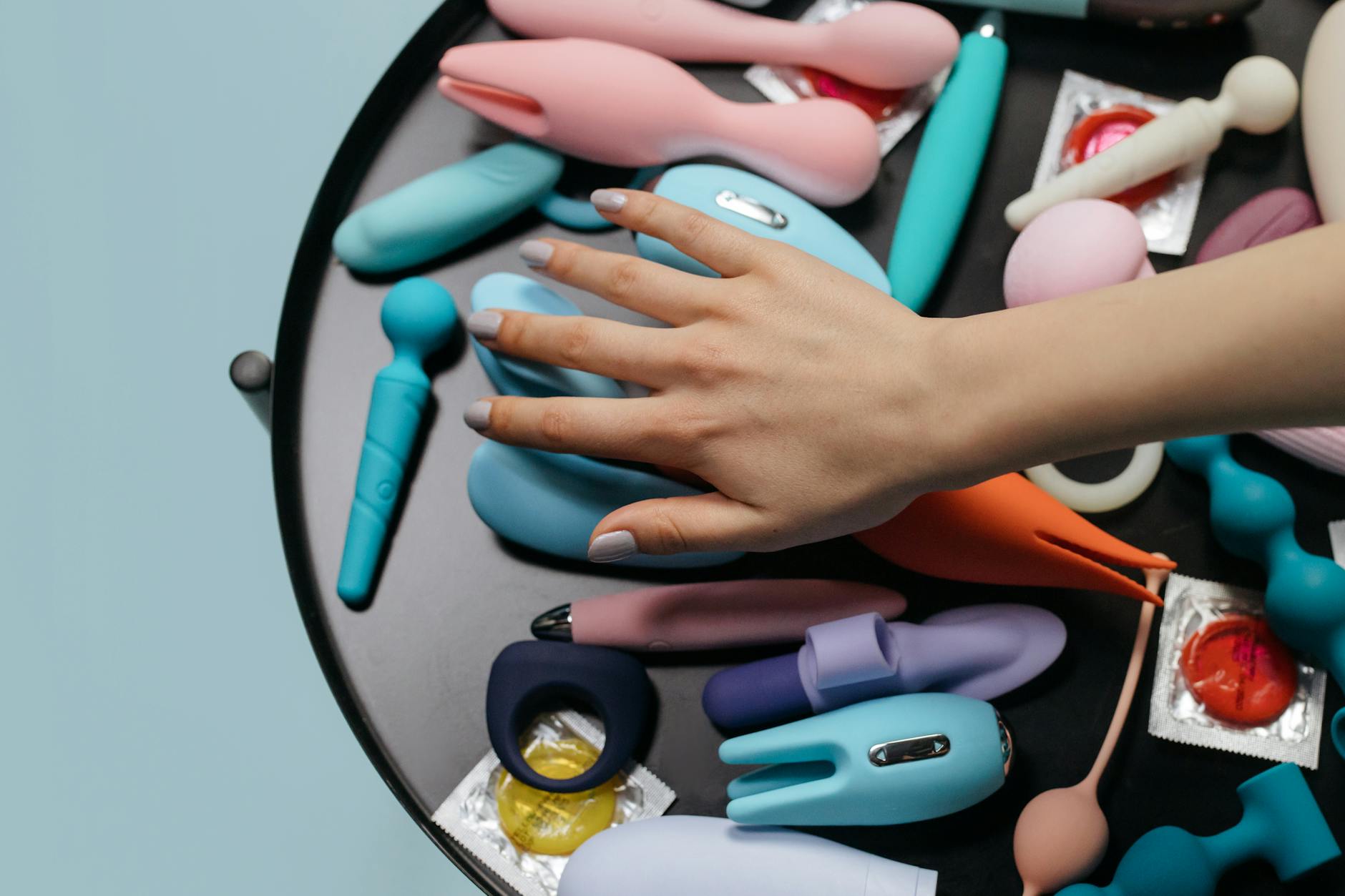 Photo by cottonbro studio on Pexels
The conversation you need to have first
Before anything touches skin, talk about what each of you is hoping for. This is the most skipped step, and it's also the one that determines whether partnered play actually feels good or just feels logistical.
Ask each other:
- What sensations do you want from this?
- Are you looking for something that builds together, or do you want to focus on one partner first?
- How do you feel about simultaneous stimulation versus taking turns?
- What's your comfort level if something doesn't feel right mid-session?
Then talk about the specific devices. If your partner is using an internal vibrator or a penetrative toy, you need to know the rhythm they'll be using. If they're aiming for a certain intensity level, that matters. When you're both going in blind, the first experience becomes about figuring out logistics instead of actually enjoying it.
The positioning challenge (and how to solve it)
Here's where most couples stumble. Physically arranging two bodies plus two devices in a way that feels comfortable, accessible, and not awkward takes intention.
If you're using a lemon clitoral vibrator while your partner uses another toy:
Option 1: Staggered positioning. You're not facing each other. Your partner is positioned slightly behind or beside you, which gives them access to their toy while you maintain control of yours. This works beautifully if your partner is using something internal or needs space to move.
Option 2: Face-to-face, side-by-side. You're both reclined or sitting at angles where you can see each other and maintain eye contact. This requires a bit more spatial awareness, but the connection is often worth it. Make sure the device in use isn't pressed against each other's bodies uncomfortably.
Option 3: The assisted approach. One partner is primarily receiving while the other is helping. Your partner holds or controls the lemon vibrator on you while using their toy on themselves, or you're using the lem vibrator on your partner while they focus on penetrative sensation. This works when one person wants to concentrate on receiving pleasure.
Try these positions with clothes on first. Seriously. Find the physical setup that lets both of you breathe, move, and adjust without it feeling cramped. This alone eliminates half the awkwardness.
Starting slowly (the pacing that actually works)
This is where rhythm matters. You don't both start at maximum intensity.
One person usually goes first. Not because of hierarchy, but because it lets both of you calibrate. Your partner starts using their device at a medium setting while you're still just touching, kissing, building arousal. Once they're settled into their pattern, you introduce the lemon vibrator. Start at a lower intensity level. Let that build together for a few minutes.
Then, and this is important, check in. A simple "feeling good?" or nonverbal cues are enough. Adjust intensity on either toy based on what feels right.
The pacing mistake couples make is ramping up together too fast. You both go 0 to 100, and suddenly it's overwhelming or the sensations are jarring. Instead, think of it like a two-part song. Part one builds individually. Part two is the harmony.
Managing different arousal speeds with two devices
This is where combined toys actually solve a real problem. If one partner gets aroused faster than the other, using two different types of stimulation lets both of you move at your own pace while still being together.
Say your partner reaches peak arousal before you do. With two separate devices, they don't have to pause or slow down. They keep their rhythm while you continue building. You're not creating an orgasm gap because the sensation profiles are different. The lem vibrator, used alongside a partner's device, actually reduces pressure because you're not dependent on synchronized timing.
This is also why understanding how lemon vibrators help with orgasm gaps between partners is useful background if you've noticed timing issues before.
The intensity negotiation
Not all devices have the same intensity range. Some lemon vibrators have quieter, more delicate patterns at lower levels. Some partner toys are louder and more intense across the board. You need to know this about each other's devices.
Before you're mid-session, figure out your intensity language. You could use numbers ("I'm at a 6, you?"), or colors, or just "turning up a notch." The point is that you're both tracking where you are. It prevents the situation where one person is at a 4 and feels suddenly overstimulated when the other person cranks to a 9.
Also, intensity isn't just about vibration strength. It's about duration. Continuous sensation feels different than pulsing patterns. If your partner's toy pulses while the lemon clitoral vibrator has a steady hum, that combination might feel amazing or might feel discordant depending on how your nervous system processes it. You'll only know by trying.
When to bring lube into the equation
If your partner is using an internal or penetrative toy, lubrication becomes important for comfort and sensation. Water-based lube works with silicone toys and won't degrade them. If you're using the lem vibrator externally on the clitoris, you might want a thin layer of lube to help it glide, or you might prefer direct contact. This is totally personal.
The important part is not introducing lube as an afterthought mid-session. Grab what you need before you start. It keeps the rhythm going and removes a pause that can interrupt the mood.
Communication during (the part that feels awkward but isn't)
Talking during partnered toy play feels weird at first because we're taught that good sex is silent, intuitive, wordless. That's not true. Words during toy play actually help.
You don't need full sentences. "A little slower," "right there," "keep going," "turning up" are all legitimate. Your partner needs real-time feedback because they can't feel what you're feeling. They're not in your body. Microexpressions aren't always visible in the moment.
If something doesn't feel right, you need to be able to say so without guilt or explanation. "That's too much intensity" or "let me adjust the angle" should require zero convincing. Full stop.
What to do if one device is overwhelming the other
Sometimes you'll discover that one toy's sensation completely drowns out the other. The vibration from your partner's device is so strong it overpowers the lemon vibrator, or vice versa. This is information.
You can adjust by:
- Changing the position so the devices aren't close to each other
- Lowering intensity on the overpowering device
- Switching to a different setting or pattern on one of the toys
- Taking a pause and restarting with different expectations
You can also just note that this particular pairing doesn't work and move on. Not every combination is magic. Some people prefer using toys sequentially instead of simultaneously, and that's completely valid.
After: The reset conversation
When you're done, you're not done talking. Take a few minutes to actually discuss what worked and what didn't. This isn't criticism. It's data.
"That rhythm felt really good for me" or "I want to try a different angle next time" or "I loved when we did X" gives you a map for next time. These conversations are how partnered toy play gets better, less awkward, and genuinely intimate.
Couples who regularly use toys together and talk about it afterward report deeper communication overall. The specificity required for toy play translates into better communication in other areas of intimacy.
The deeper benefit you might not expect
Combining toys does something else that's worth naming. It requires genuine attunement. You have to pay attention to your partner's responses, adjust in real time, and trust that they're paying attention to you. That's intimacy. It's the opposite of disconnection.
When rebuilding arousal after years in a long-term relationship becomes a goal, using toys together is one of the fastest ways to break old patterns and create something new. It's not about the devices. It's about the communication and attention that using them together requires.
Frequently asked questions
Can you use two lemon vibrators together, or does it have to be one lemon vibrator and another type of toy?
You absolutely can use two lemon clitoral vibrators together. Because the sensation is suction-based rather than traditional vibration, two lem vibrators used simultaneously create a really rich, layered sensation. The patterns complement each other without competing. Some couples find this cleaner than mixing device types because the sensation profiles are aligned.
What if my partner and I have completely different arousal speeds and toy preferences?
That's actually ideal for using toys together. Different arousal speeds mean you need different types of stimulation to keep moving at your own pace without one person holding back. Different toy preferences mean you're not fighting over what works for whom. Use what works for each body. The lemon vibrator's non-invasive approach works beautifully alongside almost any other device.
Is it normal to need lube with a lemon vibrator when using it with a partner's toy?
Yes and no. Many people find the lem vibrator works brilliantly with just natural lubrication because the suction creates its own seal. Others prefer a thin layer of water-based lube for smoother gliding. Try both and see what feels better. There's no standard answer because every body is different.
What if we try this and it feels awkward or uncomfortable?
Stop. That's the honest answer. Not every couple enjoys simultaneous toy use, and that's completely fine. Some people prefer sequential play where one partner focuses on receiving while the other uses a toy on them, then you switch. Or you might use toys solo and share the experience afterward. Comfort matters more than doing it a certain way.
How do we know which intensity level to start with?
Start lower than you think you need. You can always turn up. It's much harder to dial back when you're already at peak sensation and something suddenly feels too intense. A good starting point is the lowest comfortable setting for the person who's less familiar with that particular device. Once you're both settled, then you adjust upward together.
Should we talk about boundaries before trying combined toys?
Absolutely. Knowing what's off-limits, what you're curious about, and what you're excited to try makes the whole experience less fraught. Boundaries aren't mood killers. They're safety guardrails that let you actually relax and focus on sensation instead of worrying about crossing a line.
Using toys together is one of the most direct conversations you can have about pleasure. It requires naming what you want, adjusting when things aren't working, and paying sustained attention to another person's experience. That builds intimacy in ways that solo toy use never can. Start with the conversation. The rest follows.