Let's talk about what hormonal shifts actually do
Your body doesn't stop responding to pleasure when hormones change. What shifts is the map. The pathways are still there. The nerve density hasn't gone anywhere. But the traffic pattern changes, and if you're using the same approach you always have, you might find yourself frustrated, thinking something's broken when really it's just different.
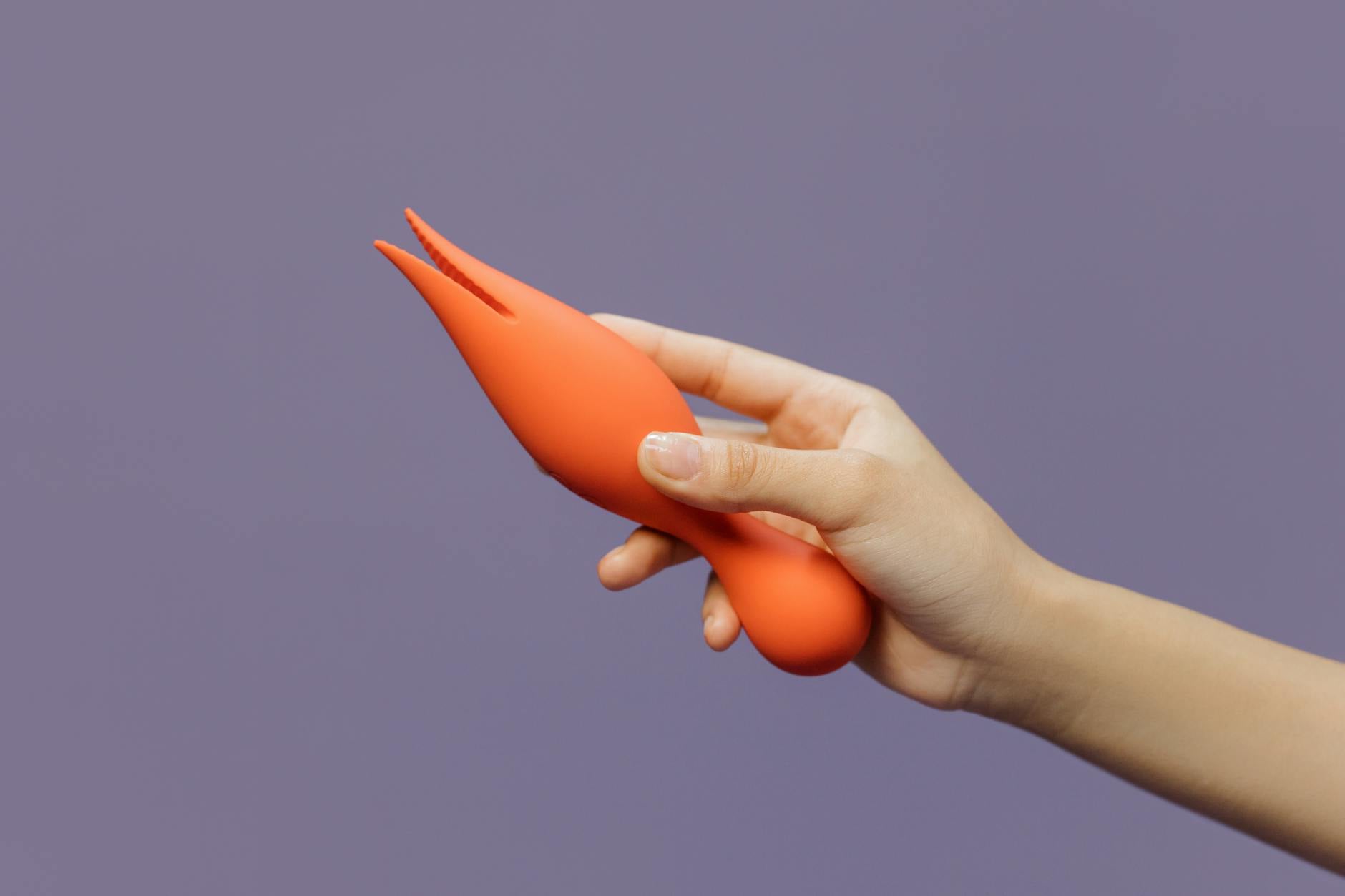
Hormonal changes happen at several life stages: after stopping birth control, during perimenopause, postpartum, after certain medications, or even from significant stress. Each one rewires how quickly your body warms up, how sensitive your clitoris feels, and what kind of stimulation actually gets you there. A lemon clitoral vibrator, specifically the air-suction design, is almost engineered for bodies navigating this shift. But only if you use it right.
Why sensation actually changes after hormonal shifts
This isn't just in your head. Here's the physiological reality: your tissue thickness shifts, blood flow patterns change, and the entire arousal sequence takes longer to initiate. Estrogen and testosterone directly affect how quickly your clitoris becomes engorged and how sensitive the nerve endings feel to stimulation. When those hormones dip or spike, your nervous system has to recalibrate.
What people rarely mention: this isn't a loss. It's a recalibration. Many of my clients report their best orgasms come after they've adjusted, not before. The initial confusion just makes them think something's wrong.
The clitoral structures are still intact. The nerves are still firing. The brain's capacity for pleasure hasn't changed. You've just got a different operating system, and you're still using the old manual.
How lemon vibrators work differently on a post-hormonal body
Traditional vibrators use direct vibration against tissue. That works beautifully when tissue is thick and responsive. But after hormonal shifts, direct vibration can feel too intense, too abrasive, or like you're "working" rather than experiencing pleasure.
Lemon vibrators use air-suction technology instead. This creates gentle, rhythmic pressure that stimulates the nerve clusters without aggressive friction. Think of it as surrounding your clitoris with sensation rather than hammering it with motion.
For hormonally shifted bodies, this matters wildly. Air-suction doesn't require the same level of tissue thickness to feel good. It creates sensation through pressure and rhythm, which is gentler on tissue that's become thinner or more sensitive. You can access pleasure at lower intensities, which means you're not fighting your way to orgasm. You're inviting it.
The warm-up phase you can't skip anymore
Before hormonal changes, you might have gotten away with minimal warm-up. Five minutes, maybe ten. Now budget twenty to twenty-five minutes, and approach this as part of the experience, not a hurdle.
Start without the vibrator entirely. Touch yourself. Notice what feels good now, not what felt good six months ago or three years ago. Your preferences have genuinely shifted, and there's no point forcing the old map.
Use your hands or a partner's hands for the first ten to fifteen minutes. Pay attention to your breathing. Arousal builds through the nervous system, not just through clitoral stimulation. If you skip this, you're asking your body to jump to an intensity level it hasn't arrived at yet, and then blaming the vibrator when nothing happens.
Once you feel warm, relaxed, and genuinely turned on, introduce the lemon vibrator at a lower pattern setting. Start with pattern one or two. You're looking for the pattern that feels like more of what you're already experiencing, not a jump to a completely different sensation.
Lubrication is now non-negotiable
I know, I know. You might not have needed it before. You do now. This isn't a reflection of anything. It's just physiology.
Use a water-based lubricant. Apply it to the entire external genital area, not just where the vibrator will touch. This changes everything about how the suction sensation feels. Without lube, the experience can feel oddly dry or uncomfortable. With lube, the sensation becomes gliding, rhythmic, almost meditative.
Reapply as needed throughout. There's no such thing as using too much. Your body will tell you if something feels off, and usually that's a signal that you need more lubrication, not less stimulation.
Finding your new intensity sweet spot
Here's where most people get stuck. They assume because they could handle pattern five before, they should go straight there now. Then nothing happens, and they think their body's broken.
Start lower than you think you need. Spend a full minute or two at each pattern level. Notice what your body does. Are you leaning into it? Do you feel the pressure building? Or does it feel like you're tolerating it, waiting for something to happen?
You're looking for the pattern where you feel genuinely interested in what's happening. Where you're not thinking about whether it's working. Where your attention naturally goes inward. That's your sweet spot right now. You can always turn it up. You can't undo overstimulation while it's happening.
Many people find that after hormonal changes, a medium intensity feels better than a high intensity ever did before. There's something about not fighting your way there that makes the whole experience richer.
The positioning game changes too
What worked before might feel uncomfortable now, even with the right vibrator and warm-up. Experiment with angles. Sometimes a slight shift from directly on top of the clitoris to slightly off to the side changes everything.
Your pelvic floor might also be holding tension differently now. If you feel like you're gripping or resisting, pause and deliberately relax. A few deep breaths, releasing your jaw, maybe shaking out your legs. Tension is your body's way of saying it's not quite ready, and pushing through creates frustration, not orgasms.
Solo sessions are actually the perfect time to experiment. No performance pressure, no one else's timeline to consider. You can spend the full session just figuring out what your body wants now.
When to revisit the basics with a partner
If you're partnered, this is worth a conversation. Not the heavy kind. Just the practical kind. "My body's responding differently to stimulation now, and I'm still figuring out what feels best. Want to explore that together?"
Many partners worry they've done something wrong or that desire has shifted. Usually it's just that the body's sensation map has changed. When you rebuild arousal after years in a long-term relationship, part of that is literally rebuilding the physical pathway.
Using a lemon vibrator together can actually make this easier. It's a third thing in the room with you. It takes the pressure off performance and puts it on exploration. You're both learning what works now, together.
What to expect in the first two weeks
Don't expect instant transformation. Your nervous system needs time to learn this new language. Some people feel a difference immediately. Others take a few sessions to really understand how this particular vibrator speaks to their body now.
Be patient without being passive. Use it regularly, but not frantically. Three or four times a week gives your body enough consistency to learn while still leaving space for desire to build naturally.
If after two weeks something genuinely doesn't feel right (sharp pain, numbness, or a sensation that's actively unpleasant rather than just unfamiliar), that's worth investigating. But discomfort that gradually resolves as you adjust is normal.
The thing nobody tells you about recalibration
Once your body adjusts to this new hormonal reality, your orgasms often deepen. You're not chasing the exact same experience you had before. You're building a new one. And very often, that new one is more layered, more present, sometimes even stronger.
This is true after menopause, after stopping hormonal birth control, postpartum when hormones stabilize, and after any major hormonal shift. The adjustment period feels like loss, but it usually reads as gain once you get there.
A lemon clitoral vibrator designed specifically for bodies in transition makes that process easier. You're not fighting against your body's new baseline. You're working with it.
FAQ: Common questions about hormonal shifts and sensation
Does hormonal change mean I'll never feel as much sensation as before?
Not at all. Sensation changes, but it doesn't disappear. Many people find that after adjustment, they feel more nuance, more range, more control over their own experience. The depth often increases even if the initial spike feels different.
How long does it typically take to feel comfortable with a new vibrator after hormonal changes?
Most people report adjustment within three to four weeks of consistent use. But "consistent" means a few times a week, not daily. Your nervous system needs both stimulation and recovery time to learn a new pattern.
Can I use the same lemon vibrator if I've had multiple hormonal shifts over the years?
Yes. The beauty of air-suction technology is that it adapts. As your hormones shift again, you can adjust the pattern intensity and warm-up time, but the fundamental design stays responsive to your body's changing needs. Why lemon vibrators feel different after quitting hormonal birth control applies across multiple life transitions.
What if I've tried everything and still feel numb after hormonal changes?
Numbing can happen from certain medications, stress, or sometimes from hormonal shifts themselves. If numbness persists beyond four to six weeks of consistent warm-up and gentle stimulation, it's worth checking in with a doctor. Sometimes a temporary topical treatment or a medication adjustment makes all the difference. Numbness is solvable, just not always solo-solvable.
Should I use the lemon vibrator differently if my partner is involved?
Not necessarily differently, but with slightly different intention. Communication matters more when someone else is involved. Check in about what feels good. Let them know you're still figuring out your body's new preferences. This rebuilds intimacy rather than replacing it.
Is it normal to need more lube after hormonal changes?
Completely normal. Hormonal shifts affect natural lubrication production. Water-based lube isn't a sign of anything wrong. It's just smart physiology. Your body's not failing. It's just different now.
The bottom line
Hormonal changes shift sensation. They don't end it. The adjustment period sucks, I won't lie. But on the other side of it, once your body learns how to experience pleasure in this new way, you often find yourself capable of deeper sensation, more consistent orgasms, and a kind of self-knowledge you didn't have before.
A lemon vibrator designed for air-suction stimulation meets your shifted body where it is now, not where it used to be. Pair that with actual warm-up time, lubrication, patience, and willingness to explore what feels good now instead of what felt good before. That's the formula that works.
Your pleasure didn't disappear. It just needed recalibration. And that's absolutely doable.